Consumer Thesis Help: Predict Trends Today!

Writing a master thesis in Consumer Behavior can feel like a massive mountain to climb, but it doesn’t have to be. Whether you’re exploring how people make buying decisions or diving into the latest market trends, there’s a method to the madness. By breaking the process into smaller steps and focusing on the right tools and strategies, you can tackle this challenge with confidence. This guide will help you understand the key aspects of writing a thesis on consumer behavior, from using real-world data to predicting future trends.
Key Takeaways
- Daily checklists can keep your thesis progress consistent and stress-free.
- Personalized coaching offers tailored advice for your specific research needs.
- Using trend analysis helps uncover patterns in consumer behavior.
- Real-world data and case studies can make your thesis more impactful.
- Understanding future trends like AI and sustainability is essential for forward-thinking research.
Mastering Consumer Behavior Trends in Thesis Writing
Understanding the Importance of Consumer Behavior
Consumer behavior isn't just about what people buy—it's about why they buy. When writing your thesis, understanding the psychological, social, and economic factors behind purchasing decisions can provide a richer perspective. For example, platforms like WhatsApp have transformed how consumers interact with businesses, offering insights into communication preferences and decision-making patterns. Grasping these dynamics is crucial for building a compelling argument in your research.
Incorporating Trend Analysis in Your Research
Trend analysis is a powerful tool for identifying shifts in consumer preferences. Using methods like surveys, case studies, or even data from social media platforms, you can track how behaviors evolve over time. Consider focusing on:
- The rise of mobile-first shopping habits.
- The growing demand for sustainability in products.
- How apps like WhatsApp influence brand loyalty.
By integrating these trends into your thesis, you not only ground your work in reality but also make it more relevant to current discussions.
Key Challenges in Consumer Behavior Studies
Researching consumer behavior comes with its own set of challenges. Data reliability is often a concern, especially when sourcing information from online platforms. Additionally, biases—whether in data collection or interpretation—can skew results. Another issue is staying updated with rapidly changing trends, such as the increasing use of AI in consumer analytics. Addressing these obstacles head-on will strengthen your thesis and make it more credible.
Structured Approaches to Master Thesis Consumer Behavior Help
Daily Checklists for Consistent Progress
Organizing your thesis work into manageable daily tasks can make a huge difference. Breaking down the process into smaller steps ensures steady progress and prevents the overwhelming feeling of tackling everything at once. Start each day with a clear checklist:
- Review and refine your research objectives.
- Dedicate time to literature review or data analysis.
- Write a small section of your thesis to maintain momentum.
Consistency is key. A structured daily plan not only keeps you on track but also minimizes procrastination.
Personalized Coaching for Tailored Guidance
Sometimes, you need more than just a checklist—you need someone to guide you through the tough spots. Personalized coaching provides one-on-one interaction with experts who can address your unique challenges. This can include:
- Refining your thesis statement or research questions.
- Offering targeted feedback on specific sections.
- Helping you navigate complex methodologies.
Platforms like LinkedIn can be a great place to connect with experienced mentors or academic professionals who specialize in consumer behavior research.
Leveraging Online Courses for Thesis Success
Online courses offer flexibility and structure, making them an excellent resource for thesis writing. Many courses provide step-by-step instructions, ensuring that you're always working on the right task at the right time. Look for courses that:
- Focus on consumer behavior or research methodologies.
- Include interactive components like assignments or quizzes.
- Offer insights into emerging trends, such as AI's role in consumer analysis.
By combining these structured approaches, you can tackle your thesis with confidence and clarity.
Utilizing Trend Analysis for Consumer Behavior Insights
Types of Trend Analysis in Consumer Research
When it comes to understanding consumer behavior, trend analysis is like your compass. It helps you see where things are heading by examining patterns in historical and current data. One common approach is consumer trend analysis, which digs into how people think, behave, and make purchases in a specific market. For example, analyzing Instagram usage can reveal shifts in how consumers interact with brands or products. Other methods like MaxDiff and TURF analysis are also handy tools for pinpointing what matters most to your target audience.
Applying Technological Trends to Your Thesis
Technology is a game-changer in consumer behavior research. Tools like social media analytics and AI-driven insights allow you to track trends in real time. For instance, Instagram's algorithm changes can impact brand visibility, influencing consumer decisions. Including these technological shifts in your thesis can make your research more relevant. Staying updated with tech trends ensures your work speaks to modern consumer realities.
Economic Trends and Their Impact on Consumer Behavior
Economic factors play a huge role in shaping consumer habits. Whether it's inflation, unemployment rates, or shifts in disposable income, these trends can directly influence what people buy and why. For example, during economic downturns, consumers might prioritize essentials over luxury goods. A simple table like the one below can help you structure this analysis:
| Economic Trend | Consumer Impact |
|---|---|
| Rising Inflation | Reduced discretionary spending |
| Lower Unemployment | Increased consumer confidence |
| Higher Interest Rates | Decreased big-ticket purchases |
Incorporating such insights into your thesis not only strengthens your argument but also provides a practical lens for understanding consumer behavior. For more ideas on innovative research techniques, check out consumer research techniques.
Developing a Strong Methodology for Consumer Behavior Research
Choosing the Right Research Design
When starting a thesis on consumer behavior, selecting a research design that aligns with your goals is non-negotiable. Research designs typically fall into three categories:
- Descriptive Studies: These focus on "what" is happening in consumer behavior. For example, tracking purchasing trends over time.
- Exploratory Studies: Perfect for when you’re trying to understand "why" consumers act a certain way. These are often qualitative.
- Causal Studies: These dig into "how" one factor influences another. Think experiments that show if a marketing campaign directly impacts buying decisions.
Choosing the wrong type can derail your thesis early on. Always match your design to the specific question you’re trying to answer.
Ethical Considerations in Consumer Studies
Ethics aren’t just for show; they’re a backbone of credible research. Here’s what to keep in mind:
- Informed Consent: Participants should know what they’re signing up for. No surprises!
- Privacy: Keep all data confidential. Even anonymized data can sometimes reveal identities, so tread carefully.
- Transparency: Make sure your methods and intentions are clear from the jump.
Ignoring these could not only harm participants but also invalidate your research.
Quantitative vs. Qualitative Approaches
Consumer behavior research often boils down to two methods:
- Quantitative: Numbers, graphs, and stats. Surveys and experiments are the go-to tools here. They’re great for large-scale trends.
- Qualitative: Think interviews, focus groups, and open-ended questions. These methods dig into the "why" behind the data.
In some cases, combining the two—a mixed-methods approach—can give you a fuller picture. For example, you might start with surveys to identify patterns and then use interviews to explore those patterns more deeply.
A solid methodology isn’t just about ticking boxes. It’s about building a framework that stands up to scrutiny and delivers insights you can trust.
Enhancing Your Thesis with Real-World Consumer Data
Sourcing Reliable Consumer Data
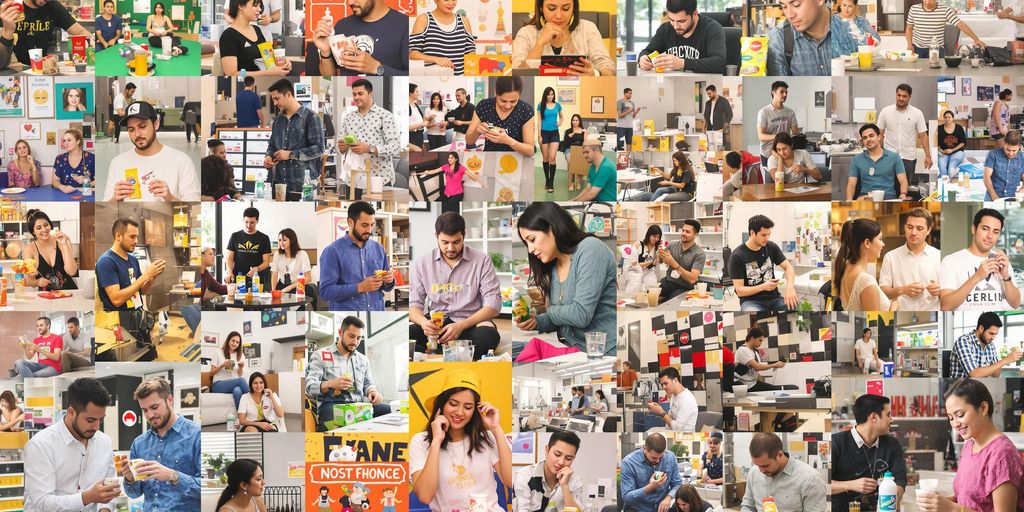
When it comes to writing a thesis on consumer behavior, reliable data is your best friend. Without accurate information, your conclusions might not hold up. Start by identifying trustworthy sources. Government databases, academic journals, and industry reports are excellent starting points. You can also consider using survey tools to gather primary data. These tools often include features like pre-made templates and demographic filters to help you target the right audience. If you're short on time, platforms offering quick survey setups can be a lifesaver.
Integrating Case Studies into Your Thesis
Case studies bring your thesis to life by showcasing real-world examples. They help you connect theoretical concepts to practical applications. Choose case studies that are closely related to your research question. For instance, if you're exploring consumer trends in sustainability, look for businesses that have successfully implemented eco-friendly practices. Break down the case into sections like "Challenges," "Strategies," and "Outcomes" to make it easier for readers to follow. This structured approach will not only strengthen your argument but also make your thesis more engaging.
Analyzing Patterns in Consumer Preferences
Understanding patterns in consumer preferences can set your thesis apart. Use tools like MaxDiff or TURF analysis to identify what matters most to consumers. For example, MaxDiff can help you rank features like price, quality, and convenience, while TURF analysis can show you how different features work together to maximize appeal. Present your findings in a table for clarity:
| Feature | Importance Rank |
|---|---|
| Price | 1 |
| Quality | 2 |
| Convenience | 3 |
This kind of detailed analysis can make your thesis not just informative but also actionable for future research or business applications. If you're wondering how to keep your timeline on track while analyzing data, check out this exploration of completing a thesis in 30 days.
Overcoming Common Obstacles in Consumer Behavior Theses
Managing Time Effectively During Research
Time management is one of the most frequent hurdles when working on a consumer behavior thesis. Without a clear plan, it’s easy to lose track of priorities or spend too much time on less impactful tasks. Creating a daily schedule with specific goals can keep you on track. For example:
| Task | Time Allocation |
|---|---|
| Literature Review | 2 hours |
| Data Analysis | 3 hours |
| Writing Drafts | 2 hours |
Breaking your day into manageable chunks ensures steady progress without burnout. Additionally, tools like digital planners or apps can help you stick to your plan. For more intensive deadlines, consider reviewing strategies to complete a thesis in three days to boost efficiency.
Addressing Data Limitations and Bias
Every research project faces challenges with data, whether it’s insufficient sample sizes or potential biases in collection methods. Acknowledge these limitations openly in your thesis. Transparency about your methods not only strengthens your academic integrity but also helps future researchers understand the scope of your findings. Here are some tips to mitigate these issues:
- Diversify your data sources to reduce reliance on any single dataset.
- Use statistical tools to identify and adjust for potential biases.
- Clearly document your methodology for reproducibility.
Remember, no study is perfect. The goal is to present a well-reasoned analysis based on the best available data.
Staying Motivated Throughout the Thesis Journey
The thesis process can feel overwhelming, especially during moments of slow progress. To maintain motivation:
- Celebrate small wins, like completing a chapter or finalizing a dataset.
- Join study groups or online forums to share experiences and advice.
- Take regular breaks to recharge and avoid burnout.
Sometimes, simply reminding yourself of why you started your research can reignite your passion. Surround yourself with supportive peers or mentors who can offer encouragement when needed.
Future Trends in Consumer Behavior Research
The Role of AI in Understanding Consumer Behavior
Artificial intelligence is reshaping the way we study consumer habits. Through tools like machine learning, researchers can analyze massive datasets to uncover patterns that would otherwise go unnoticed. For example, AI can predict purchasing trends based on social media activity or even subtle changes in online search behavior. This capability allows for more precise targeting of consumer needs. As AI technology advances, its role in consumer behavior research will only grow, offering faster and more accurate insights.
Sustainability Trends and Consumer Choices
Sustainability has transitioned from being a niche concern to a mainstream consumer priority. Many people now actively seek products that align with their environmental values. This shift is influencing everything from packaging choices to corporate policies. Researchers are focusing on how consumers perceive "green" initiatives and whether these perceptions translate into purchasing decisions. Understanding this relationship is vital for businesses aiming to align with eco-conscious consumers while maintaining profitability.
Predicting Future Market Shifts
Predicting market shifts involves more than just analyzing past data—it requires an understanding of emerging societal, technological, and economic factors. For instance, the rise of Buy Now, Pay Later services has shown how financial innovations can quickly reshape consumer spending habits. Similarly, new legislation supporting the right to repair is changing how consumers view product ownership and sustainability. By studying these trends, researchers can provide actionable forecasts that help businesses adapt to evolving consumer expectations.
As we look ahead, understanding how consumers will behave is more important than ever. New trends show that people are becoming more aware of their choices and how they affect the world. This means businesses need to adapt quickly to meet these changing needs. If you want to learn more about these exciting changes and how they can impact your strategies, visit our website for more insights!
Conclusion
Wrapping up, understanding consumer trends isn’t just about staying relevant—it’s about staying ahead. By paying attention to patterns in behavior and preferences, businesses can make smarter decisions that align with what people actually want. Whether it’s through structured daily approaches, real-world insights, or personalized support, tools like those offered by Research Rebels® can make the process less overwhelming and more actionable. The key takeaway? Trends aren’t just fleeting moments; they’re opportunities to adapt, grow, and connect with your audience in meaningful ways. So, start today—because the future of your business depends on it.
Frequently Asked Questions
What is consumer behavior research?
Consumer behavior research studies how people make decisions about what they buy, use, or discard. It looks at their habits, preferences, and influences.
Why is trend analysis important in a thesis?
Trend analysis helps you spot patterns and changes over time, making your thesis more relevant and insightful. It shows how consumer behavior evolves.
How can I stay motivated while writing my thesis?
Break your work into small, daily tasks, celebrate progress, and remind yourself of your long-term goals. Support from mentors or peers can also help.
What are common challenges in consumer behavior studies?
Some challenges include limited access to data, biases in research, and the complexity of analyzing diverse consumer habits.
How do I choose between qualitative and quantitative research?
Choose qualitative research for in-depth insights and quantitative research for measurable data. Sometimes, combining both methods works best.
Where can I find reliable consumer data for my thesis?
You can find reliable data from government reports, academic journals, industry studies, or online databases like Statista or Pew Research Center.




Consumer Thesis Help: Predict Trends Today!
Writing a master thesis in Consumer Behavior can feel like a massive mountain to climb, but it doesn’t have to be. Whether you’re exploring how people make buying decisions or diving into the latest market trends, there’s a method to the madness. By breaking the process into smaller steps and focusing on the right tools and strategies, you can tackle this challenge with confidence. This guide will help you understand the key aspects of writing a thesis on consumer behavior, from using real-world data to predicting future trends.
Key Takeaways
- Daily checklists can keep your thesis progress consistent and stress-free.
- Personalized coaching offers tailored advice for your specific research needs.
- Using trend analysis helps uncover patterns in consumer behavior.
- Real-world data and case studies can make your thesis more impactful.
- Understanding future trends like AI and sustainability is essential for forward-thinking research.
Mastering Consumer Behavior Trends in Thesis Writing
Understanding the Importance of Consumer Behavior
Consumer behavior isn't just about what people buy—it's about why they buy. When writing your thesis, understanding the psychological, social, and economic factors behind purchasing decisions can provide a richer perspective. For example, platforms like WhatsApp have transformed how consumers interact with businesses, offering insights into communication preferences and decision-making patterns. Grasping these dynamics is crucial for building a compelling argument in your research.
Incorporating Trend Analysis in Your Research
Trend analysis is a powerful tool for identifying shifts in consumer preferences. Using methods like surveys, case studies, or even data from social media platforms, you can track how behaviors evolve over time. Consider focusing on:
- The rise of mobile-first shopping habits.
- The growing demand for sustainability in products.
- How apps like WhatsApp influence brand loyalty.
By integrating these trends into your thesis, you not only ground your work in reality but also make it more relevant to current discussions.
Key Challenges in Consumer Behavior Studies
Researching consumer behavior comes with its own set of challenges. Data reliability is often a concern, especially when sourcing information from online platforms. Additionally, biases—whether in data collection or interpretation—can skew results. Another issue is staying updated with rapidly changing trends, such as the increasing use of AI in consumer analytics. Addressing these obstacles head-on will strengthen your thesis and make it more credible.
Structured Approaches to Master Thesis Consumer Behavior Help
Daily Checklists for Consistent Progress
Organizing your thesis work into manageable daily tasks can make a huge difference. Breaking down the process into smaller steps ensures steady progress and prevents the overwhelming feeling of tackling everything at once. Start each day with a clear checklist:
- Review and refine your research objectives.
- Dedicate time to literature review or data analysis.
- Write a small section of your thesis to maintain momentum.
Consistency is key. A structured daily plan not only keeps you on track but also minimizes procrastination.
Personalized Coaching for Tailored Guidance
Sometimes, you need more than just a checklist—you need someone to guide you through the tough spots. Personalized coaching provides one-on-one interaction with experts who can address your unique challenges. This can include:
- Refining your thesis statement or research questions.
- Offering targeted feedback on specific sections.
- Helping you navigate complex methodologies.
Platforms like LinkedIn can be a great place to connect with experienced mentors or academic professionals who specialize in consumer behavior research.
Leveraging Online Courses for Thesis Success
Online courses offer flexibility and structure, making them an excellent resource for thesis writing. Many courses provide step-by-step instructions, ensuring that you're always working on the right task at the right time. Look for courses that:
- Focus on consumer behavior or research methodologies.
- Include interactive components like assignments or quizzes.
- Offer insights into emerging trends, such as AI's role in consumer analysis.
By combining these structured approaches, you can tackle your thesis with confidence and clarity.
Utilizing Trend Analysis for Consumer Behavior Insights
Types of Trend Analysis in Consumer Research
When it comes to understanding consumer behavior, trend analysis is like your compass. It helps you see where things are heading by examining patterns in historical and current data. One common approach is consumer trend analysis, which digs into how people think, behave, and make purchases in a specific market. For example, analyzing Instagram usage can reveal shifts in how consumers interact with brands or products. Other methods like MaxDiff and TURF analysis are also handy tools for pinpointing what matters most to your target audience.
Applying Technological Trends to Your Thesis
Technology is a game-changer in consumer behavior research. Tools like social media analytics and AI-driven insights allow you to track trends in real time. For instance, Instagram's algorithm changes can impact brand visibility, influencing consumer decisions. Including these technological shifts in your thesis can make your research more relevant. Staying updated with tech trends ensures your work speaks to modern consumer realities.
Economic Trends and Their Impact on Consumer Behavior
Economic factors play a huge role in shaping consumer habits. Whether it's inflation, unemployment rates, or shifts in disposable income, these trends can directly influence what people buy and why. For example, during economic downturns, consumers might prioritize essentials over luxury goods. A simple table like the one below can help you structure this analysis:
| Economic Trend | Consumer Impact |
|---|---|
| Rising Inflation | Reduced discretionary spending |
| Lower Unemployment | Increased consumer confidence |
| Higher Interest Rates | Decreased big-ticket purchases |
Incorporating such insights into your thesis not only strengthens your argument but also provides a practical lens for understanding consumer behavior. For more ideas on innovative research techniques, check out consumer research techniques.
Developing a Strong Methodology for Consumer Behavior Research
Choosing the Right Research Design
When starting a thesis on consumer behavior, selecting a research design that aligns with your goals is non-negotiable. Research designs typically fall into three categories:
- Descriptive Studies: These focus on "what" is happening in consumer behavior. For example, tracking purchasing trends over time.
- Exploratory Studies: Perfect for when you’re trying to understand "why" consumers act a certain way. These are often qualitative.
- Causal Studies: These dig into "how" one factor influences another. Think experiments that show if a marketing campaign directly impacts buying decisions.
Choosing the wrong type can derail your thesis early on. Always match your design to the specific question you’re trying to answer.
Ethical Considerations in Consumer Studies
Ethics aren’t just for show; they’re a backbone of credible research. Here’s what to keep in mind:
- Informed Consent: Participants should know what they’re signing up for. No surprises!
- Privacy: Keep all data confidential. Even anonymized data can sometimes reveal identities, so tread carefully.
- Transparency: Make sure your methods and intentions are clear from the jump.
Ignoring these could not only harm participants but also invalidate your research.
Quantitative vs. Qualitative Approaches
Consumer behavior research often boils down to two methods:
- Quantitative: Numbers, graphs, and stats. Surveys and experiments are the go-to tools here. They’re great for large-scale trends.
- Qualitative: Think interviews, focus groups, and open-ended questions. These methods dig into the "why" behind the data.
In some cases, combining the two—a mixed-methods approach—can give you a fuller picture. For example, you might start with surveys to identify patterns and then use interviews to explore those patterns more deeply.
A solid methodology isn’t just about ticking boxes. It’s about building a framework that stands up to scrutiny and delivers insights you can trust.
Enhancing Your Thesis with Real-World Consumer Data
Sourcing Reliable Consumer Data
When it comes to writing a thesis on consumer behavior, reliable data is your best friend. Without accurate information, your conclusions might not hold up. Start by identifying trustworthy sources. Government databases, academic journals, and industry reports are excellent starting points. You can also consider using survey tools to gather primary data. These tools often include features like pre-made templates and demographic filters to help you target the right audience. If you're short on time, platforms offering quick survey setups can be a lifesaver.
Integrating Case Studies into Your Thesis
Case studies bring your thesis to life by showcasing real-world examples. They help you connect theoretical concepts to practical applications. Choose case studies that are closely related to your research question. For instance, if you're exploring consumer trends in sustainability, look for businesses that have successfully implemented eco-friendly practices. Break down the case into sections like "Challenges," "Strategies," and "Outcomes" to make it easier for readers to follow. This structured approach will not only strengthen your argument but also make your thesis more engaging.
Analyzing Patterns in Consumer Preferences
Understanding patterns in consumer preferences can set your thesis apart. Use tools like MaxDiff or TURF analysis to identify what matters most to consumers. For example, MaxDiff can help you rank features like price, quality, and convenience, while TURF analysis can show you how different features work together to maximize appeal. Present your findings in a table for clarity:
| Feature | Importance Rank |
|---|---|
| Price | 1 |
| Quality | 2 |
| Convenience | 3 |
This kind of detailed analysis can make your thesis not just informative but also actionable for future research or business applications. If you're wondering how to keep your timeline on track while analyzing data, check out this exploration of completing a thesis in 30 days.
Overcoming Common Obstacles in Consumer Behavior Theses
Managing Time Effectively During Research
Time management is one of the most frequent hurdles when working on a consumer behavior thesis. Without a clear plan, it’s easy to lose track of priorities or spend too much time on less impactful tasks. Creating a daily schedule with specific goals can keep you on track. For example:
| Task | Time Allocation |
|---|---|
| Literature Review | 2 hours |
| Data Analysis | 3 hours |
| Writing Drafts | 2 hours |
Breaking your day into manageable chunks ensures steady progress without burnout. Additionally, tools like digital planners or apps can help you stick to your plan. For more intensive deadlines, consider reviewing strategies to complete a thesis in three days to boost efficiency.
Addressing Data Limitations and Bias
Every research project faces challenges with data, whether it’s insufficient sample sizes or potential biases in collection methods. Acknowledge these limitations openly in your thesis. Transparency about your methods not only strengthens your academic integrity but also helps future researchers understand the scope of your findings. Here are some tips to mitigate these issues:
- Diversify your data sources to reduce reliance on any single dataset.
- Use statistical tools to identify and adjust for potential biases.
- Clearly document your methodology for reproducibility.
Remember, no study is perfect. The goal is to present a well-reasoned analysis based on the best available data.
Staying Motivated Throughout the Thesis Journey
The thesis process can feel overwhelming, especially during moments of slow progress. To maintain motivation:
- Celebrate small wins, like completing a chapter or finalizing a dataset.
- Join study groups or online forums to share experiences and advice.
- Take regular breaks to recharge and avoid burnout.
Sometimes, simply reminding yourself of why you started your research can reignite your passion. Surround yourself with supportive peers or mentors who can offer encouragement when needed.
Future Trends in Consumer Behavior Research
The Role of AI in Understanding Consumer Behavior
Artificial intelligence is reshaping the way we study consumer habits. Through tools like machine learning, researchers can analyze massive datasets to uncover patterns that would otherwise go unnoticed. For example, AI can predict purchasing trends based on social media activity or even subtle changes in online search behavior. This capability allows for more precise targeting of consumer needs. As AI technology advances, its role in consumer behavior research will only grow, offering faster and more accurate insights.
Sustainability Trends and Consumer Choices
Sustainability has transitioned from being a niche concern to a mainstream consumer priority. Many people now actively seek products that align with their environmental values. This shift is influencing everything from packaging choices to corporate policies. Researchers are focusing on how consumers perceive "green" initiatives and whether these perceptions translate into purchasing decisions. Understanding this relationship is vital for businesses aiming to align with eco-conscious consumers while maintaining profitability.
Predicting Future Market Shifts
Predicting market shifts involves more than just analyzing past data—it requires an understanding of emerging societal, technological, and economic factors. For instance, the rise of Buy Now, Pay Later services has shown how financial innovations can quickly reshape consumer spending habits. Similarly, new legislation supporting the right to repair is changing how consumers view product ownership and sustainability. By studying these trends, researchers can provide actionable forecasts that help businesses adapt to evolving consumer expectations.
As we look ahead, understanding how consumers will behave is more important than ever. New trends show that people are becoming more aware of their choices and how they affect the world. This means businesses need to adapt quickly to meet these changing needs. If you want to learn more about these exciting changes and how they can impact your strategies, visit our website for more insights!
Conclusion
Wrapping up, understanding consumer trends isn’t just about staying relevant—it’s about staying ahead. By paying attention to patterns in behavior and preferences, businesses can make smarter decisions that align with what people actually want. Whether it’s through structured daily approaches, real-world insights, or personalized support, tools like those offered by Research Rebels® can make the process less overwhelming and more actionable. The key takeaway? Trends aren’t just fleeting moments; they’re opportunities to adapt, grow, and connect with your audience in meaningful ways. So, start today—because the future of your business depends on it.
Frequently Asked Questions
What is consumer behavior research?
Consumer behavior research studies how people make decisions about what they buy, use, or discard. It looks at their habits, preferences, and influences.
Why is trend analysis important in a thesis?
Trend analysis helps you spot patterns and changes over time, making your thesis more relevant and insightful. It shows how consumer behavior evolves.
How can I stay motivated while writing my thesis?
Break your work into small, daily tasks, celebrate progress, and remind yourself of your long-term goals. Support from mentors or peers can also help.
What are common challenges in consumer behavior studies?
Some challenges include limited access to data, biases in research, and the complexity of analyzing diverse consumer habits.
How do I choose between qualitative and quantitative research?
Choose qualitative research for in-depth insights and quantitative research for measurable data. Sometimes, combining both methods works best.
Where can I find reliable consumer data for my thesis?
You can find reliable data from government reports, academic journals, industry studies, or online databases like Statista or Pew Research Center.
Consumer Thesis Help: Predict Trends Today!
Writing a master thesis in Consumer Behavior can feel like a massive mountain to climb, but it doesn’t have to be. Whether you’re exploring how people make buying decisions or diving into the latest market trends, there’s a method to the madness. By breaking the process into smaller steps and focusing on the right tools and strategies, you can tackle this challenge with confidence. This guide will help you understand the key aspects of writing a thesis on consumer behavior, from using real-world data to predicting future trends.
Key Takeaways
- Daily checklists can keep your thesis progress consistent and stress-free.
- Personalized coaching offers tailored advice for your specific research needs.
- Using trend analysis helps uncover patterns in consumer behavior.
- Real-world data and case studies can make your thesis more impactful.
- Understanding future trends like AI and sustainability is essential for forward-thinking research.
Mastering Consumer Behavior Trends in Thesis Writing
Understanding the Importance of Consumer Behavior
Consumer behavior isn't just about what people buy—it's about why they buy. When writing your thesis, understanding the psychological, social, and economic factors behind purchasing decisions can provide a richer perspective. For example, platforms like WhatsApp have transformed how consumers interact with businesses, offering insights into communication preferences and decision-making patterns. Grasping these dynamics is crucial for building a compelling argument in your research.
Incorporating Trend Analysis in Your Research
Trend analysis is a powerful tool for identifying shifts in consumer preferences. Using methods like surveys, case studies, or even data from social media platforms, you can track how behaviors evolve over time. Consider focusing on:
- The rise of mobile-first shopping habits.
- The growing demand for sustainability in products.
- How apps like WhatsApp influence brand loyalty.
By integrating these trends into your thesis, you not only ground your work in reality but also make it more relevant to current discussions.
Key Challenges in Consumer Behavior Studies
Researching consumer behavior comes with its own set of challenges. Data reliability is often a concern, especially when sourcing information from online platforms. Additionally, biases—whether in data collection or interpretation—can skew results. Another issue is staying updated with rapidly changing trends, such as the increasing use of AI in consumer analytics. Addressing these obstacles head-on will strengthen your thesis and make it more credible.
Structured Approaches to Master Thesis Consumer Behavior Help
Daily Checklists for Consistent Progress
Organizing your thesis work into manageable daily tasks can make a huge difference. Breaking down the process into smaller steps ensures steady progress and prevents the overwhelming feeling of tackling everything at once. Start each day with a clear checklist:
- Review and refine your research objectives.
- Dedicate time to literature review or data analysis.
- Write a small section of your thesis to maintain momentum.
Consistency is key. A structured daily plan not only keeps you on track but also minimizes procrastination.
Personalized Coaching for Tailored Guidance
Sometimes, you need more than just a checklist—you need someone to guide you through the tough spots. Personalized coaching provides one-on-one interaction with experts who can address your unique challenges. This can include:
- Refining your thesis statement or research questions.
- Offering targeted feedback on specific sections.
- Helping you navigate complex methodologies.
Platforms like LinkedIn can be a great place to connect with experienced mentors or academic professionals who specialize in consumer behavior research.
Leveraging Online Courses for Thesis Success
Online courses offer flexibility and structure, making them an excellent resource for thesis writing. Many courses provide step-by-step instructions, ensuring that you're always working on the right task at the right time. Look for courses that:
- Focus on consumer behavior or research methodologies.
- Include interactive components like assignments or quizzes.
- Offer insights into emerging trends, such as AI's role in consumer analysis.
By combining these structured approaches, you can tackle your thesis with confidence and clarity.
Utilizing Trend Analysis for Consumer Behavior Insights
Types of Trend Analysis in Consumer Research
When it comes to understanding consumer behavior, trend analysis is like your compass. It helps you see where things are heading by examining patterns in historical and current data. One common approach is consumer trend analysis, which digs into how people think, behave, and make purchases in a specific market. For example, analyzing Instagram usage can reveal shifts in how consumers interact with brands or products. Other methods like MaxDiff and TURF analysis are also handy tools for pinpointing what matters most to your target audience.
Applying Technological Trends to Your Thesis
Technology is a game-changer in consumer behavior research. Tools like social media analytics and AI-driven insights allow you to track trends in real time. For instance, Instagram's algorithm changes can impact brand visibility, influencing consumer decisions. Including these technological shifts in your thesis can make your research more relevant. Staying updated with tech trends ensures your work speaks to modern consumer realities.
Economic Trends and Their Impact on Consumer Behavior
Economic factors play a huge role in shaping consumer habits. Whether it's inflation, unemployment rates, or shifts in disposable income, these trends can directly influence what people buy and why. For example, during economic downturns, consumers might prioritize essentials over luxury goods. A simple table like the one below can help you structure this analysis:
| Economic Trend | Consumer Impact |
|---|---|
| Rising Inflation | Reduced discretionary spending |
| Lower Unemployment | Increased consumer confidence |
| Higher Interest Rates | Decreased big-ticket purchases |
Incorporating such insights into your thesis not only strengthens your argument but also provides a practical lens for understanding consumer behavior. For more ideas on innovative research techniques, check out consumer research techniques.
Developing a Strong Methodology for Consumer Behavior Research
Choosing the Right Research Design
When starting a thesis on consumer behavior, selecting a research design that aligns with your goals is non-negotiable. Research designs typically fall into three categories:
- Descriptive Studies: These focus on "what" is happening in consumer behavior. For example, tracking purchasing trends over time.
- Exploratory Studies: Perfect for when you’re trying to understand "why" consumers act a certain way. These are often qualitative.
- Causal Studies: These dig into "how" one factor influences another. Think experiments that show if a marketing campaign directly impacts buying decisions.
Choosing the wrong type can derail your thesis early on. Always match your design to the specific question you’re trying to answer.
Ethical Considerations in Consumer Studies
Ethics aren’t just for show; they’re a backbone of credible research. Here’s what to keep in mind:
- Informed Consent: Participants should know what they’re signing up for. No surprises!
- Privacy: Keep all data confidential. Even anonymized data can sometimes reveal identities, so tread carefully.
- Transparency: Make sure your methods and intentions are clear from the jump.
Ignoring these could not only harm participants but also invalidate your research.
Quantitative vs. Qualitative Approaches
Consumer behavior research often boils down to two methods:
- Quantitative: Numbers, graphs, and stats. Surveys and experiments are the go-to tools here. They’re great for large-scale trends.
- Qualitative: Think interviews, focus groups, and open-ended questions. These methods dig into the "why" behind the data.
In some cases, combining the two—a mixed-methods approach—can give you a fuller picture. For example, you might start with surveys to identify patterns and then use interviews to explore those patterns more deeply.
A solid methodology isn’t just about ticking boxes. It’s about building a framework that stands up to scrutiny and delivers insights you can trust.
Enhancing Your Thesis with Real-World Consumer Data
Sourcing Reliable Consumer Data
When it comes to writing a thesis on consumer behavior, reliable data is your best friend. Without accurate information, your conclusions might not hold up. Start by identifying trustworthy sources. Government databases, academic journals, and industry reports are excellent starting points. You can also consider using survey tools to gather primary data. These tools often include features like pre-made templates and demographic filters to help you target the right audience. If you're short on time, platforms offering quick survey setups can be a lifesaver.
Integrating Case Studies into Your Thesis
Case studies bring your thesis to life by showcasing real-world examples. They help you connect theoretical concepts to practical applications. Choose case studies that are closely related to your research question. For instance, if you're exploring consumer trends in sustainability, look for businesses that have successfully implemented eco-friendly practices. Break down the case into sections like "Challenges," "Strategies," and "Outcomes" to make it easier for readers to follow. This structured approach will not only strengthen your argument but also make your thesis more engaging.
Analyzing Patterns in Consumer Preferences
Understanding patterns in consumer preferences can set your thesis apart. Use tools like MaxDiff or TURF analysis to identify what matters most to consumers. For example, MaxDiff can help you rank features like price, quality, and convenience, while TURF analysis can show you how different features work together to maximize appeal. Present your findings in a table for clarity:
| Feature | Importance Rank |
|---|---|
| Price | 1 |
| Quality | 2 |
| Convenience | 3 |
This kind of detailed analysis can make your thesis not just informative but also actionable for future research or business applications. If you're wondering how to keep your timeline on track while analyzing data, check out this exploration of completing a thesis in 30 days.
Overcoming Common Obstacles in Consumer Behavior Theses
Managing Time Effectively During Research
Time management is one of the most frequent hurdles when working on a consumer behavior thesis. Without a clear plan, it’s easy to lose track of priorities or spend too much time on less impactful tasks. Creating a daily schedule with specific goals can keep you on track. For example:
| Task | Time Allocation |
|---|---|
| Literature Review | 2 hours |
| Data Analysis | 3 hours |
| Writing Drafts | 2 hours |
Breaking your day into manageable chunks ensures steady progress without burnout. Additionally, tools like digital planners or apps can help you stick to your plan. For more intensive deadlines, consider reviewing strategies to complete a thesis in three days to boost efficiency.
Addressing Data Limitations and Bias
Every research project faces challenges with data, whether it’s insufficient sample sizes or potential biases in collection methods. Acknowledge these limitations openly in your thesis. Transparency about your methods not only strengthens your academic integrity but also helps future researchers understand the scope of your findings. Here are some tips to mitigate these issues:
- Diversify your data sources to reduce reliance on any single dataset.
- Use statistical tools to identify and adjust for potential biases.
- Clearly document your methodology for reproducibility.
Remember, no study is perfect. The goal is to present a well-reasoned analysis based on the best available data.
Staying Motivated Throughout the Thesis Journey
The thesis process can feel overwhelming, especially during moments of slow progress. To maintain motivation:
- Celebrate small wins, like completing a chapter or finalizing a dataset.
- Join study groups or online forums to share experiences and advice.
- Take regular breaks to recharge and avoid burnout.
Sometimes, simply reminding yourself of why you started your research can reignite your passion. Surround yourself with supportive peers or mentors who can offer encouragement when needed.
Future Trends in Consumer Behavior Research
The Role of AI in Understanding Consumer Behavior
Artificial intelligence is reshaping the way we study consumer habits. Through tools like machine learning, researchers can analyze massive datasets to uncover patterns that would otherwise go unnoticed. For example, AI can predict purchasing trends based on social media activity or even subtle changes in online search behavior. This capability allows for more precise targeting of consumer needs. As AI technology advances, its role in consumer behavior research will only grow, offering faster and more accurate insights.
Sustainability Trends and Consumer Choices
Sustainability has transitioned from being a niche concern to a mainstream consumer priority. Many people now actively seek products that align with their environmental values. This shift is influencing everything from packaging choices to corporate policies. Researchers are focusing on how consumers perceive "green" initiatives and whether these perceptions translate into purchasing decisions. Understanding this relationship is vital for businesses aiming to align with eco-conscious consumers while maintaining profitability.
Predicting Future Market Shifts
Predicting market shifts involves more than just analyzing past data—it requires an understanding of emerging societal, technological, and economic factors. For instance, the rise of Buy Now, Pay Later services has shown how financial innovations can quickly reshape consumer spending habits. Similarly, new legislation supporting the right to repair is changing how consumers view product ownership and sustainability. By studying these trends, researchers can provide actionable forecasts that help businesses adapt to evolving consumer expectations.
As we look ahead, understanding how consumers will behave is more important than ever. New trends show that people are becoming more aware of their choices and how they affect the world. This means businesses need to adapt quickly to meet these changing needs. If you want to learn more about these exciting changes and how they can impact your strategies, visit our website for more insights!
Conclusion
Wrapping up, understanding consumer trends isn’t just about staying relevant—it’s about staying ahead. By paying attention to patterns in behavior and preferences, businesses can make smarter decisions that align with what people actually want. Whether it’s through structured daily approaches, real-world insights, or personalized support, tools like those offered by Research Rebels® can make the process less overwhelming and more actionable. The key takeaway? Trends aren’t just fleeting moments; they’re opportunities to adapt, grow, and connect with your audience in meaningful ways. So, start today—because the future of your business depends on it.
Frequently Asked Questions
What is consumer behavior research?
Consumer behavior research studies how people make decisions about what they buy, use, or discard. It looks at their habits, preferences, and influences.
Why is trend analysis important in a thesis?
Trend analysis helps you spot patterns and changes over time, making your thesis more relevant and insightful. It shows how consumer behavior evolves.
How can I stay motivated while writing my thesis?
Break your work into small, daily tasks, celebrate progress, and remind yourself of your long-term goals. Support from mentors or peers can also help.
What are common challenges in consumer behavior studies?
Some challenges include limited access to data, biases in research, and the complexity of analyzing diverse consumer habits.
How do I choose between qualitative and quantitative research?
Choose qualitative research for in-depth insights and quantitative research for measurable data. Sometimes, combining both methods works best.
Where can I find reliable consumer data for my thesis?
You can find reliable data from government reports, academic journals, industry studies, or online databases like Statista or Pew Research Center.
Bachelor Thesis Crunch Time: How to Finish Quickly Without Compromising Quality
Confident Study Session: 3 Nutritional Tips for Success
Feeling Stuck? Jumpstart Your Thesis Writing Today!