Enhance Your Research: The Ultimate Guide to Finding a Thesis Editor Online

If you're working on your thesis and feeling overwhelmed, you're not alone. Many students struggle with the writing and editing process. That's where a thesis editor online can really help. This guide will walk you through everything you need to know to find the right editor for your needs, making the process smoother and less stressful.
Key Takeaways
- A thesis editor online can improve your writing by correcting grammar and style issues.
- Choosing the right editor involves checking their qualifications and reading reviews.
- The editing process typically includes an initial assessment, revisions, and a final review.
- Look for online editors with tools like grammar checks and plagiarism detection.
- Effective communication with your editor is key to getting the best results.
Understanding The Role Of A Thesis Editor Online
What Does A Thesis Editor Do?
So, you're staring down the barrel of a thesis, huh? It's a beast, I know. You've poured your heart and soul into it, but let's be real, you're probably too close to it to see the mistakes. That's where a thesis editor comes in. They're like a fresh pair of eyes that can spot errors you've missed. They don't just look for typos; they also check for clarity, consistency, and whether your arguments actually make sense. Think of them as a quality control specialist for your academic masterpiece. They ensure your citations are correct, which is super important to avoid plagiarism. They also make sure your writing is formal and academic, which can be tough after spending months immersed in the topic. Basically, they help you polish your thesis until it shines.
Benefits Of Using An Online Thesis Editor
Why go online? Well, convenience is a big one. You can upload your thesis at any time, from anywhere. Plus, online editors often have specialized tools that can help improve your work. Here are some benefits:
- Accessibility: Get help no matter where you are.
- Specialized Tools: Access grammar and plagiarism checkers.
- Faster Turnaround: Often quicker than traditional editors.
Using an online thesis editor can save you time and stress. They provide expert feedback and ensure your thesis is polished and ready for submission. It's an investment in your academic success.
Common Misconceptions About Thesis Editing
Okay, let's clear up some myths. A lot of people think a thesis editor is just a glorified spell checker. Nope! They do way more than that. Another misconception is that using an editor is somehow cheating. It's not! It's about getting expert feedback to improve your work. It's like asking a friend to read over your essay, but with a professional touch. Some people also think that editors will rewrite your entire thesis. That's not their job either. They're there to help you improve your own writing, not to write it for you. They will help with copy editing to enhance readability. Finally, don't think that using an editor guarantees a perfect grade. They can help you improve your thesis, but ultimately, it's still your work and your responsibility. They can help you with things like:
- Improving clarity and flow.
- Correcting grammar and spelling errors.
- Ensuring proper citation and formatting.
Choosing The Right Thesis Editor Online
Finding the right thesis editor online can feel like a daunting task. There are so many options out there, and it's hard to know who to trust. But don't worry, with a little research and some careful consideration, you can find an editor who will help you polish your thesis and make it the best it can be. It's all about knowing what to look for and asking the right questions.
Evaluating Editor Qualifications
Okay, so first things first: you need to check out the editor's qualifications. Don't just go with the first person you find. Look at their education, their experience, and what kind of background they have. Ideally, you want someone who has experience editing theses in your specific field. It's also a good idea to see if they have any certifications or memberships in professional editing organizations. This can give you some extra confidence in their abilities. I mean, you wouldn't want just anyone tinkering with your hard work, right?
Reading Reviews And Testimonials
Reviews and testimonials are your best friends here. See what other students are saying about the editor. Were they happy with the service? Did the editor provide helpful feedback? Were they easy to communicate with? Sites like Trustpilot or even university forums can be goldmines for this kind of info. Just remember to take everything with a grain of salt – some reviews might be biased, but a general trend can tell you a lot. It's like checking restaurant reviews before you decide where to eat; you want to make sure you're not walking into a disaster.
Comparing Pricing And Services
Alright, let's talk money. Thesis editing isn't free, and prices can vary a lot. You need to figure out what services you actually need and then compare prices from different editors. Some editors charge by the word, while others charge by the hour. Make sure you understand what's included in the price. Does it include multiple rounds of revisions? What about plagiarism detection tools? Don't be afraid to ask for a sample edit or a quote before you commit. You want to make sure you're getting good value for your money. Here's a quick example of how pricing might break down:
| Service | Price per Word | Additional Notes |
|---|---|---|
| Basic Editing | $0.03 | Grammar, spelling, punctuation |
| Advanced Editing | $0.05 | Basic editing + style, clarity, flow |
| Proofreading | $0.02 | Final check for errors after editing |
Choosing a thesis editor is a big decision. Take your time, do your research, and don't be afraid to ask questions. The right editor can make a huge difference in the quality of your thesis and your overall academic success. Good luck!
The Editing Process: What To Expect
Initial Assessment Of Your Thesis
Okay, so you've decided to get a thesis editor. What happens next? The first step is usually an initial assessment. Think of it as a check-up for your thesis. You send your document to the editor, and they'll take a look at the big picture. They're not diving into the nitty-gritty details just yet. Instead, they're checking for things like overall structure, clarity of your argument, and whether your research question is well-defined.
This initial assessment helps the editor understand the scope of the work needed and gives you a sense of what areas might need the most attention. It's like getting a roadmap before a long journey.
Revisions And Feedback Cycle
After the initial assessment, the real work begins: the revisions and feedback cycle. This is where the editor starts making suggestions and changes directly to your thesis. You'll likely receive a version of your document with tracked changes and comments. The editor might point out areas where your argument is weak, where your writing is unclear, or where you need to provide more evidence.
Here's what a typical revision cycle might look like:
- Editor provides initial edits and feedback.
- You review the changes and respond to the comments.
- You make revisions based on the feedback.
- You send the revised thesis back to the editor.
- The editor reviews the revisions and provides further feedback.
This cycle can repeat several times until you and the editor are satisfied with the result. It's a collaborative process, so be prepared to discuss your ideas and be open to suggestions. Remember to check thesis rater tools to help you with the process.
Final Review And Approval
Once you've gone through the revision cycle and addressed all the major issues, it's time for the final review and approval. This is where the editor gives your thesis one last look to catch any remaining errors or inconsistencies. They might focus on things like grammar, spelling, punctuation, and formatting.
At this stage, the editor is essentially giving your thesis a final polish to make sure it's ready for submission. After the final review, you'll receive a clean version of your thesis that's ready to go. It's always a good idea to give it one last read yourself before submitting it, just to be sure you're happy with everything. This ensures your thesis revision process is complete.
Tools And Features Of Online Thesis Editors
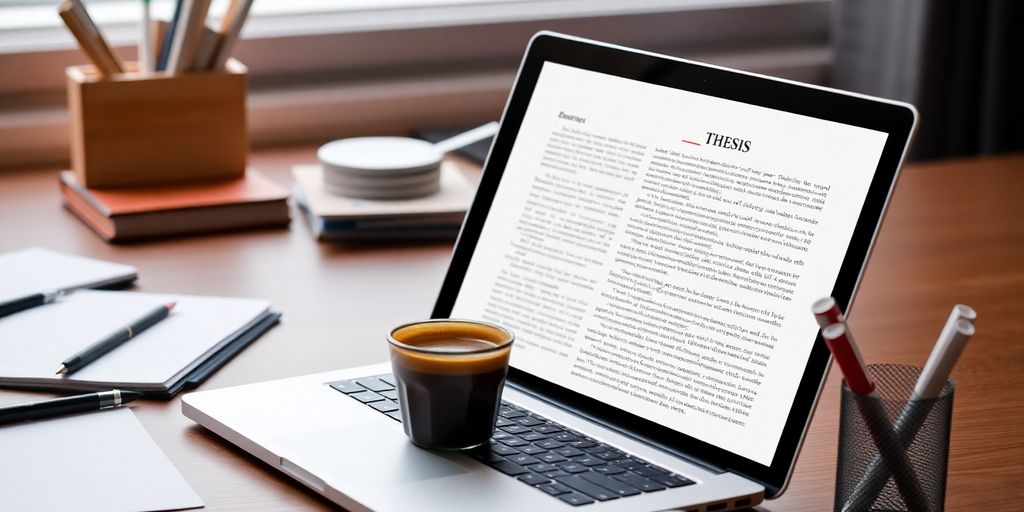
Online thesis editors come packed with features to help you polish your work. It's not just about fixing typos anymore; these tools can really dig deep and help you improve your writing. Let's take a look at some of the most useful ones.
Grammar And Spell Check Capabilities
Okay, so this one's a no-brainer, but it's worth mentioning. Most online thesis editors have advanced grammar and spell check features that go way beyond what you get in your word processor. They can catch those tricky errors that you might miss, like incorrect verb tenses, subject-verb agreement issues, and misused words. Some even offer suggestions for improving sentence structure and clarity. It's like having a grammar expert looking over your shoulder.
Plagiarism Detection Tools
This is a big one. Plagiarism is a serious issue, and you want to make sure your thesis is 100% original. Online thesis editors often include plagiarism detection tools that compare your text against a massive database of sources. They highlight any potential instances of plagiarism, so you can properly cite your sources and avoid any academic trouble. A good dissertation checker can be a lifesaver.
User-Friendly Interfaces
Nobody wants to struggle with a complicated, clunky interface. Thankfully, most online thesis editors are designed to be user-friendly. They're easy to navigate, and they offer a range of features that are simple to use. You can usually upload your thesis in various formats, and the editor will automatically detect any errors. Plus, many editors offer helpful tutorials and support if you get stuck. These tools provide writing aids to streamline the thesis writing process and improve overall quality.
Using an online thesis editor can really speed up the editing process. Instead of spending hours manually proofreading your work, you can let the tool do the heavy lifting. This frees up your time to focus on other important aspects of your thesis, like research and analysis.
Here's a quick comparison of some common features:
| Feature | Description
Maximizing Your Experience With A Thesis Editor Online
Preparing Your Thesis For Editing
Before you even think about sending your thesis off, do some prep work. It's like tuning up your car before a long road trip. A well-prepared thesis saves time and money. First, give it a read-through yourself. Seriously, print it out and use a pen. You'll catch things you missed on the screen. Make sure your formatting is consistent, and that you've addressed all the points in your outline. This way, the editor can focus on the important stuff, like clarity and argumentation, rather than basic errors. Also, be sure to include all relevant files, such as style guides or specific instructions from your university. This helps the editor understand your expectations and tailor their work accordingly. Think of it as giving them a map to success.
Communicating Effectively With Your Editor
Communication is key. Don't just dump your thesis on the editor and disappear. Be clear about what you need. Do you want them to focus on grammar, structure, or both? Are there specific sections you're worried about? The more information you provide, the better the editor can meet your needs. Respond promptly to their questions and be open to their suggestions. Remember, they're the expert. It's also a good idea to establish a communication schedule. Know when you can expect updates and how to reach them if you have questions. This helps manage expectations and keeps the process moving smoothly. Effective communication ensures that the dissertation checker understands your vision and helps you achieve it.
Implementing Feedback For Improvement
Getting feedback is only half the battle. The real work comes in implementing it. Don't just blindly accept every suggestion. Think critically about the editor's comments and decide what makes sense for your thesis. If you disagree with something, discuss it with the editor. They may have a good reason for their suggestion that you haven't considered. Make sure you understand the changes you're making. Don't just fix the errors; learn from them. This will improve your writing in the long run. Keep track of the changes you make and why you made them. This will help you defend your choices if necessary.
Remember, the goal is not just to fix errors, but to improve the overall quality of your thesis. Take the time to understand the feedback and implement it thoughtfully.
Here's a simple way to approach feedback:
- Read each comment carefully.
- Understand the issue.
- Implement the change or discuss it with the editor.
- Learn from the feedback for future writing.
Common Challenges When Using A Thesis Editor Online

Technical Issues And Solutions
Sometimes, things just don't work right. You might face problems uploading your thesis, the editor's comments might not be visible, or the platform could crash mid-review. It's super frustrating, but usually fixable. The first step is always to check your internet connection. If that's not the issue, try clearing your browser's cache or using a different browser altogether. If the platform itself is acting up, reach out to their support team. Most services have a help desk or FAQ section that can guide you through common glitches. Here's a quick troubleshooting table:
| Issue | Solution |
|---|---|
| Upload errors | Check file size, format, internet connection |
| Comments not visible | Refresh page, clear cache, contact support |
| Platform crashes | Try different browser, contact support |
| Formatting messed up | Ensure compatibility, communicate with editor |
Understanding Editor Recommendations
Editors are there to help, but sometimes their suggestions can feel a bit… confusing. Maybe you don't agree with a suggested change, or you're not sure why they made it. It's important to remember that editing is a collaborative process. Don't be afraid to ask your editor for clarification. A good editor will explain their reasoning and be open to discussing alternative solutions. If you're still unsure, get a second opinion from a professor or trusted colleague. Remember, it's your thesis, and you have the final say. Using a dissertation checker can also help you understand the reasoning behind certain edits.
Managing Time Effectively During Edits
Time management is key. Editing always takes longer than you think, so don't leave it until the last minute. Set realistic deadlines for each stage of the editing process, and factor in time for revisions and feedback. Communicate your deadlines clearly to your editor, and be responsive to their requests. Also, don't get bogged down in minor details early on. Focus on the big picture first – structure, argument, and clarity – and then worry about grammar and style later. Here are some tips:
- Create a detailed timeline.
- Prioritize major revisions.
- Set daily editing goals.
- Avoid perfectionism – aim for improvement, not flawlessness.
It's easy to underestimate the time needed for editing. Plan ahead, be organized, and don't be afraid to ask for help. A well-edited thesis is worth the effort.
The Future Of Thesis Editing Services
Emerging Technologies In Editing
It's interesting to think about where thesis editing is headed. We're already seeing some cool tech pop up, and it's only going to get more advanced. Think about it: better grammar checkers that understand context, not just rules. That's a big deal for catching those subtle errors that can make or break a thesis.
- AI-powered tools that suggest better phrasing.
- Software that analyzes the overall structure and flow of your argument.
- Platforms that offer real-time collaboration between students and editors.
The integration of these technologies promises not just faster editing, but also a deeper level of refinement, helping students present their research in the clearest and most impactful way possible.
Trends In Online Thesis Editing
The way we access editing services is changing too. It's not just about finding someone online; it's about finding the right someone, and getting the right kind of help. More students are looking for specialized editors who understand their specific field of study. Plus, there's a growing demand for services that offer more than just proofreading – things like developmental editing, which helps with the overall argument and structure of the thesis.
- Increased demand for subject-matter experts.
- More emphasis on developmental editing.
- Greater focus on personalized feedback.
The Impact Of AI On Thesis Editing
AI is already making waves, and its impact on thesis editing will only grow. While it won't replace human editors entirely (at least not yet!), it will definitely change the game. AI can handle the tedious tasks, like checking for grammar and spelling errors, freeing up human editors to focus on the bigger picture. The rise of AI in editing means students can get faster, more affordable help, and editors can focus on providing more in-depth feedback. It's a win-win, really. AI is increasingly utilized in research, with 73.6% of students and researchers either using or exploring AI tools.
| Feature | Current State | Future Potential |
|---|---|---|
| Grammar Check | Basic error detection | Contextual understanding, style suggestions |
| Plagiarism Check | Similarity detection | Source verification, originality scoring |
| Feedback | Limited to surface-level issues | In-depth analysis of argument, structure, clarity |
Wrapping It Up
Finding the right thesis editor online can really make a difference in your writing journey. It’s not just about fixing grammar or punctuation; it’s about polishing your work so it shines. Take your time to explore different options, read reviews, and maybe even ask friends for their experiences. Remember, a good editor can help you catch mistakes you might miss and improve the overall flow of your thesis. So, don’t hesitate to reach out for help. Your hard work deserves the best presentation possible, and with the right support, you can make that happen.
Frequently Asked Questions
What exactly does a thesis editor do?
A thesis editor helps you improve your thesis by checking for mistakes in grammar, spelling, and punctuation. They also look at the overall flow of your writing and suggest changes to make it clearer.
Why should I use an online thesis editor?
Using an online thesis editor can save you a lot of time and effort. They can quickly find errors that you might miss when reading your own work and help ensure your thesis is polished.
Are there any common myths about thesis editing?
Yes, some people think that editors just fix grammar mistakes, but they also help with the structure and clarity of your writing. Another myth is that only professional writers need editing, but everyone can benefit from it.
How can I choose the best thesis editor online?
Look for editors with good qualifications, read reviews from other students, and compare prices and services to find the right fit for you.
What should I expect during the editing process?
You can expect an initial assessment of your thesis, a cycle of revisions and feedback, and a final review before you approve the changes.
What challenges might I face when using an online thesis editor?
Some challenges include technical issues with the editing tools, understanding the suggestions from the editor, and managing your time effectively while making edits.



Enhance Your Research: The Ultimate Guide to Finding a Thesis Editor Online
If you're working on your thesis and feeling overwhelmed, you're not alone. Many students struggle with the writing and editing process. That's where a thesis editor online can really help. This guide will walk you through everything you need to know to find the right editor for your needs, making the process smoother and less stressful.
Key Takeaways
- A thesis editor online can improve your writing by correcting grammar and style issues.
- Choosing the right editor involves checking their qualifications and reading reviews.
- The editing process typically includes an initial assessment, revisions, and a final review.
- Look for online editors with tools like grammar checks and plagiarism detection.
- Effective communication with your editor is key to getting the best results.
Understanding The Role Of A Thesis Editor Online
What Does A Thesis Editor Do?
So, you're staring down the barrel of a thesis, huh? It's a beast, I know. You've poured your heart and soul into it, but let's be real, you're probably too close to it to see the mistakes. That's where a thesis editor comes in. They're like a fresh pair of eyes that can spot errors you've missed. They don't just look for typos; they also check for clarity, consistency, and whether your arguments actually make sense. Think of them as a quality control specialist for your academic masterpiece. They ensure your citations are correct, which is super important to avoid plagiarism. They also make sure your writing is formal and academic, which can be tough after spending months immersed in the topic. Basically, they help you polish your thesis until it shines.
Benefits Of Using An Online Thesis Editor
Why go online? Well, convenience is a big one. You can upload your thesis at any time, from anywhere. Plus, online editors often have specialized tools that can help improve your work. Here are some benefits:
- Accessibility: Get help no matter where you are.
- Specialized Tools: Access grammar and plagiarism checkers.
- Faster Turnaround: Often quicker than traditional editors.
Using an online thesis editor can save you time and stress. They provide expert feedback and ensure your thesis is polished and ready for submission. It's an investment in your academic success.
Common Misconceptions About Thesis Editing
Okay, let's clear up some myths. A lot of people think a thesis editor is just a glorified spell checker. Nope! They do way more than that. Another misconception is that using an editor is somehow cheating. It's not! It's about getting expert feedback to improve your work. It's like asking a friend to read over your essay, but with a professional touch. Some people also think that editors will rewrite your entire thesis. That's not their job either. They're there to help you improve your own writing, not to write it for you. They will help with copy editing to enhance readability. Finally, don't think that using an editor guarantees a perfect grade. They can help you improve your thesis, but ultimately, it's still your work and your responsibility. They can help you with things like:
- Improving clarity and flow.
- Correcting grammar and spelling errors.
- Ensuring proper citation and formatting.
Choosing The Right Thesis Editor Online
Finding the right thesis editor online can feel like a daunting task. There are so many options out there, and it's hard to know who to trust. But don't worry, with a little research and some careful consideration, you can find an editor who will help you polish your thesis and make it the best it can be. It's all about knowing what to look for and asking the right questions.
Evaluating Editor Qualifications
Okay, so first things first: you need to check out the editor's qualifications. Don't just go with the first person you find. Look at their education, their experience, and what kind of background they have. Ideally, you want someone who has experience editing theses in your specific field. It's also a good idea to see if they have any certifications or memberships in professional editing organizations. This can give you some extra confidence in their abilities. I mean, you wouldn't want just anyone tinkering with your hard work, right?
Reading Reviews And Testimonials
Reviews and testimonials are your best friends here. See what other students are saying about the editor. Were they happy with the service? Did the editor provide helpful feedback? Were they easy to communicate with? Sites like Trustpilot or even university forums can be goldmines for this kind of info. Just remember to take everything with a grain of salt – some reviews might be biased, but a general trend can tell you a lot. It's like checking restaurant reviews before you decide where to eat; you want to make sure you're not walking into a disaster.
Comparing Pricing And Services
Alright, let's talk money. Thesis editing isn't free, and prices can vary a lot. You need to figure out what services you actually need and then compare prices from different editors. Some editors charge by the word, while others charge by the hour. Make sure you understand what's included in the price. Does it include multiple rounds of revisions? What about plagiarism detection tools? Don't be afraid to ask for a sample edit or a quote before you commit. You want to make sure you're getting good value for your money. Here's a quick example of how pricing might break down:
| Service | Price per Word | Additional Notes |
|---|---|---|
| Basic Editing | $0.03 | Grammar, spelling, punctuation |
| Advanced Editing | $0.05 | Basic editing + style, clarity, flow |
| Proofreading | $0.02 | Final check for errors after editing |
Choosing a thesis editor is a big decision. Take your time, do your research, and don't be afraid to ask questions. The right editor can make a huge difference in the quality of your thesis and your overall academic success. Good luck!
The Editing Process: What To Expect
Initial Assessment Of Your Thesis
Okay, so you've decided to get a thesis editor. What happens next? The first step is usually an initial assessment. Think of it as a check-up for your thesis. You send your document to the editor, and they'll take a look at the big picture. They're not diving into the nitty-gritty details just yet. Instead, they're checking for things like overall structure, clarity of your argument, and whether your research question is well-defined.
This initial assessment helps the editor understand the scope of the work needed and gives you a sense of what areas might need the most attention. It's like getting a roadmap before a long journey.
Revisions And Feedback Cycle
After the initial assessment, the real work begins: the revisions and feedback cycle. This is where the editor starts making suggestions and changes directly to your thesis. You'll likely receive a version of your document with tracked changes and comments. The editor might point out areas where your argument is weak, where your writing is unclear, or where you need to provide more evidence.
Here's what a typical revision cycle might look like:
- Editor provides initial edits and feedback.
- You review the changes and respond to the comments.
- You make revisions based on the feedback.
- You send the revised thesis back to the editor.
- The editor reviews the revisions and provides further feedback.
This cycle can repeat several times until you and the editor are satisfied with the result. It's a collaborative process, so be prepared to discuss your ideas and be open to suggestions. Remember to check thesis rater tools to help you with the process.
Final Review And Approval
Once you've gone through the revision cycle and addressed all the major issues, it's time for the final review and approval. This is where the editor gives your thesis one last look to catch any remaining errors or inconsistencies. They might focus on things like grammar, spelling, punctuation, and formatting.
At this stage, the editor is essentially giving your thesis a final polish to make sure it's ready for submission. After the final review, you'll receive a clean version of your thesis that's ready to go. It's always a good idea to give it one last read yourself before submitting it, just to be sure you're happy with everything. This ensures your thesis revision process is complete.
Tools And Features Of Online Thesis Editors
Online thesis editors come packed with features to help you polish your work. It's not just about fixing typos anymore; these tools can really dig deep and help you improve your writing. Let's take a look at some of the most useful ones.
Grammar And Spell Check Capabilities
Okay, so this one's a no-brainer, but it's worth mentioning. Most online thesis editors have advanced grammar and spell check features that go way beyond what you get in your word processor. They can catch those tricky errors that you might miss, like incorrect verb tenses, subject-verb agreement issues, and misused words. Some even offer suggestions for improving sentence structure and clarity. It's like having a grammar expert looking over your shoulder.
Plagiarism Detection Tools
This is a big one. Plagiarism is a serious issue, and you want to make sure your thesis is 100% original. Online thesis editors often include plagiarism detection tools that compare your text against a massive database of sources. They highlight any potential instances of plagiarism, so you can properly cite your sources and avoid any academic trouble. A good dissertation checker can be a lifesaver.
User-Friendly Interfaces
Nobody wants to struggle with a complicated, clunky interface. Thankfully, most online thesis editors are designed to be user-friendly. They're easy to navigate, and they offer a range of features that are simple to use. You can usually upload your thesis in various formats, and the editor will automatically detect any errors. Plus, many editors offer helpful tutorials and support if you get stuck. These tools provide writing aids to streamline the thesis writing process and improve overall quality.
Using an online thesis editor can really speed up the editing process. Instead of spending hours manually proofreading your work, you can let the tool do the heavy lifting. This frees up your time to focus on other important aspects of your thesis, like research and analysis.
Here's a quick comparison of some common features:
| Feature | Description
Maximizing Your Experience With A Thesis Editor Online
Preparing Your Thesis For Editing
Before you even think about sending your thesis off, do some prep work. It's like tuning up your car before a long road trip. A well-prepared thesis saves time and money. First, give it a read-through yourself. Seriously, print it out and use a pen. You'll catch things you missed on the screen. Make sure your formatting is consistent, and that you've addressed all the points in your outline. This way, the editor can focus on the important stuff, like clarity and argumentation, rather than basic errors. Also, be sure to include all relevant files, such as style guides or specific instructions from your university. This helps the editor understand your expectations and tailor their work accordingly. Think of it as giving them a map to success.
Communicating Effectively With Your Editor
Communication is key. Don't just dump your thesis on the editor and disappear. Be clear about what you need. Do you want them to focus on grammar, structure, or both? Are there specific sections you're worried about? The more information you provide, the better the editor can meet your needs. Respond promptly to their questions and be open to their suggestions. Remember, they're the expert. It's also a good idea to establish a communication schedule. Know when you can expect updates and how to reach them if you have questions. This helps manage expectations and keeps the process moving smoothly. Effective communication ensures that the dissertation checker understands your vision and helps you achieve it.
Implementing Feedback For Improvement
Getting feedback is only half the battle. The real work comes in implementing it. Don't just blindly accept every suggestion. Think critically about the editor's comments and decide what makes sense for your thesis. If you disagree with something, discuss it with the editor. They may have a good reason for their suggestion that you haven't considered. Make sure you understand the changes you're making. Don't just fix the errors; learn from them. This will improve your writing in the long run. Keep track of the changes you make and why you made them. This will help you defend your choices if necessary.
Remember, the goal is not just to fix errors, but to improve the overall quality of your thesis. Take the time to understand the feedback and implement it thoughtfully.
Here's a simple way to approach feedback:
- Read each comment carefully.
- Understand the issue.
- Implement the change or discuss it with the editor.
- Learn from the feedback for future writing.
Common Challenges When Using A Thesis Editor Online
Technical Issues And Solutions
Sometimes, things just don't work right. You might face problems uploading your thesis, the editor's comments might not be visible, or the platform could crash mid-review. It's super frustrating, but usually fixable. The first step is always to check your internet connection. If that's not the issue, try clearing your browser's cache or using a different browser altogether. If the platform itself is acting up, reach out to their support team. Most services have a help desk or FAQ section that can guide you through common glitches. Here's a quick troubleshooting table:
| Issue | Solution |
|---|---|
| Upload errors | Check file size, format, internet connection |
| Comments not visible | Refresh page, clear cache, contact support |
| Platform crashes | Try different browser, contact support |
| Formatting messed up | Ensure compatibility, communicate with editor |
Understanding Editor Recommendations
Editors are there to help, but sometimes their suggestions can feel a bit… confusing. Maybe you don't agree with a suggested change, or you're not sure why they made it. It's important to remember that editing is a collaborative process. Don't be afraid to ask your editor for clarification. A good editor will explain their reasoning and be open to discussing alternative solutions. If you're still unsure, get a second opinion from a professor or trusted colleague. Remember, it's your thesis, and you have the final say. Using a dissertation checker can also help you understand the reasoning behind certain edits.
Managing Time Effectively During Edits
Time management is key. Editing always takes longer than you think, so don't leave it until the last minute. Set realistic deadlines for each stage of the editing process, and factor in time for revisions and feedback. Communicate your deadlines clearly to your editor, and be responsive to their requests. Also, don't get bogged down in minor details early on. Focus on the big picture first – structure, argument, and clarity – and then worry about grammar and style later. Here are some tips:
- Create a detailed timeline.
- Prioritize major revisions.
- Set daily editing goals.
- Avoid perfectionism – aim for improvement, not flawlessness.
It's easy to underestimate the time needed for editing. Plan ahead, be organized, and don't be afraid to ask for help. A well-edited thesis is worth the effort.
The Future Of Thesis Editing Services
Emerging Technologies In Editing
It's interesting to think about where thesis editing is headed. We're already seeing some cool tech pop up, and it's only going to get more advanced. Think about it: better grammar checkers that understand context, not just rules. That's a big deal for catching those subtle errors that can make or break a thesis.
- AI-powered tools that suggest better phrasing.
- Software that analyzes the overall structure and flow of your argument.
- Platforms that offer real-time collaboration between students and editors.
The integration of these technologies promises not just faster editing, but also a deeper level of refinement, helping students present their research in the clearest and most impactful way possible.
Trends In Online Thesis Editing
The way we access editing services is changing too. It's not just about finding someone online; it's about finding the right someone, and getting the right kind of help. More students are looking for specialized editors who understand their specific field of study. Plus, there's a growing demand for services that offer more than just proofreading – things like developmental editing, which helps with the overall argument and structure of the thesis.
- Increased demand for subject-matter experts.
- More emphasis on developmental editing.
- Greater focus on personalized feedback.
The Impact Of AI On Thesis Editing
AI is already making waves, and its impact on thesis editing will only grow. While it won't replace human editors entirely (at least not yet!), it will definitely change the game. AI can handle the tedious tasks, like checking for grammar and spelling errors, freeing up human editors to focus on the bigger picture. The rise of AI in editing means students can get faster, more affordable help, and editors can focus on providing more in-depth feedback. It's a win-win, really. AI is increasingly utilized in research, with 73.6% of students and researchers either using or exploring AI tools.
| Feature | Current State | Future Potential |
|---|---|---|
| Grammar Check | Basic error detection | Contextual understanding, style suggestions |
| Plagiarism Check | Similarity detection | Source verification, originality scoring |
| Feedback | Limited to surface-level issues | In-depth analysis of argument, structure, clarity |
Wrapping It Up
Finding the right thesis editor online can really make a difference in your writing journey. It’s not just about fixing grammar or punctuation; it’s about polishing your work so it shines. Take your time to explore different options, read reviews, and maybe even ask friends for their experiences. Remember, a good editor can help you catch mistakes you might miss and improve the overall flow of your thesis. So, don’t hesitate to reach out for help. Your hard work deserves the best presentation possible, and with the right support, you can make that happen.
Frequently Asked Questions
What exactly does a thesis editor do?
A thesis editor helps you improve your thesis by checking for mistakes in grammar, spelling, and punctuation. They also look at the overall flow of your writing and suggest changes to make it clearer.
Why should I use an online thesis editor?
Using an online thesis editor can save you a lot of time and effort. They can quickly find errors that you might miss when reading your own work and help ensure your thesis is polished.
Are there any common myths about thesis editing?
Yes, some people think that editors just fix grammar mistakes, but they also help with the structure and clarity of your writing. Another myth is that only professional writers need editing, but everyone can benefit from it.
How can I choose the best thesis editor online?
Look for editors with good qualifications, read reviews from other students, and compare prices and services to find the right fit for you.
What should I expect during the editing process?
You can expect an initial assessment of your thesis, a cycle of revisions and feedback, and a final review before you approve the changes.
What challenges might I face when using an online thesis editor?
Some challenges include technical issues with the editing tools, understanding the suggestions from the editor, and managing your time effectively while making edits.
Enhance Your Research: The Ultimate Guide to Finding a Thesis Editor Online
If you're working on your thesis and feeling overwhelmed, you're not alone. Many students struggle with the writing and editing process. That's where a thesis editor online can really help. This guide will walk you through everything you need to know to find the right editor for your needs, making the process smoother and less stressful.
Key Takeaways
- A thesis editor online can improve your writing by correcting grammar and style issues.
- Choosing the right editor involves checking their qualifications and reading reviews.
- The editing process typically includes an initial assessment, revisions, and a final review.
- Look for online editors with tools like grammar checks and plagiarism detection.
- Effective communication with your editor is key to getting the best results.
Understanding The Role Of A Thesis Editor Online
What Does A Thesis Editor Do?
So, you're staring down the barrel of a thesis, huh? It's a beast, I know. You've poured your heart and soul into it, but let's be real, you're probably too close to it to see the mistakes. That's where a thesis editor comes in. They're like a fresh pair of eyes that can spot errors you've missed. They don't just look for typos; they also check for clarity, consistency, and whether your arguments actually make sense. Think of them as a quality control specialist for your academic masterpiece. They ensure your citations are correct, which is super important to avoid plagiarism. They also make sure your writing is formal and academic, which can be tough after spending months immersed in the topic. Basically, they help you polish your thesis until it shines.
Benefits Of Using An Online Thesis Editor
Why go online? Well, convenience is a big one. You can upload your thesis at any time, from anywhere. Plus, online editors often have specialized tools that can help improve your work. Here are some benefits:
- Accessibility: Get help no matter where you are.
- Specialized Tools: Access grammar and plagiarism checkers.
- Faster Turnaround: Often quicker than traditional editors.
Using an online thesis editor can save you time and stress. They provide expert feedback and ensure your thesis is polished and ready for submission. It's an investment in your academic success.
Common Misconceptions About Thesis Editing
Okay, let's clear up some myths. A lot of people think a thesis editor is just a glorified spell checker. Nope! They do way more than that. Another misconception is that using an editor is somehow cheating. It's not! It's about getting expert feedback to improve your work. It's like asking a friend to read over your essay, but with a professional touch. Some people also think that editors will rewrite your entire thesis. That's not their job either. They're there to help you improve your own writing, not to write it for you. They will help with copy editing to enhance readability. Finally, don't think that using an editor guarantees a perfect grade. They can help you improve your thesis, but ultimately, it's still your work and your responsibility. They can help you with things like:
- Improving clarity and flow.
- Correcting grammar and spelling errors.
- Ensuring proper citation and formatting.
Choosing The Right Thesis Editor Online
Finding the right thesis editor online can feel like a daunting task. There are so many options out there, and it's hard to know who to trust. But don't worry, with a little research and some careful consideration, you can find an editor who will help you polish your thesis and make it the best it can be. It's all about knowing what to look for and asking the right questions.
Evaluating Editor Qualifications
Okay, so first things first: you need to check out the editor's qualifications. Don't just go with the first person you find. Look at their education, their experience, and what kind of background they have. Ideally, you want someone who has experience editing theses in your specific field. It's also a good idea to see if they have any certifications or memberships in professional editing organizations. This can give you some extra confidence in their abilities. I mean, you wouldn't want just anyone tinkering with your hard work, right?
Reading Reviews And Testimonials
Reviews and testimonials are your best friends here. See what other students are saying about the editor. Were they happy with the service? Did the editor provide helpful feedback? Were they easy to communicate with? Sites like Trustpilot or even university forums can be goldmines for this kind of info. Just remember to take everything with a grain of salt – some reviews might be biased, but a general trend can tell you a lot. It's like checking restaurant reviews before you decide where to eat; you want to make sure you're not walking into a disaster.
Comparing Pricing And Services
Alright, let's talk money. Thesis editing isn't free, and prices can vary a lot. You need to figure out what services you actually need and then compare prices from different editors. Some editors charge by the word, while others charge by the hour. Make sure you understand what's included in the price. Does it include multiple rounds of revisions? What about plagiarism detection tools? Don't be afraid to ask for a sample edit or a quote before you commit. You want to make sure you're getting good value for your money. Here's a quick example of how pricing might break down:
| Service | Price per Word | Additional Notes |
|---|---|---|
| Basic Editing | $0.03 | Grammar, spelling, punctuation |
| Advanced Editing | $0.05 | Basic editing + style, clarity, flow |
| Proofreading | $0.02 | Final check for errors after editing |
Choosing a thesis editor is a big decision. Take your time, do your research, and don't be afraid to ask questions. The right editor can make a huge difference in the quality of your thesis and your overall academic success. Good luck!
The Editing Process: What To Expect
Initial Assessment Of Your Thesis
Okay, so you've decided to get a thesis editor. What happens next? The first step is usually an initial assessment. Think of it as a check-up for your thesis. You send your document to the editor, and they'll take a look at the big picture. They're not diving into the nitty-gritty details just yet. Instead, they're checking for things like overall structure, clarity of your argument, and whether your research question is well-defined.
This initial assessment helps the editor understand the scope of the work needed and gives you a sense of what areas might need the most attention. It's like getting a roadmap before a long journey.
Revisions And Feedback Cycle
After the initial assessment, the real work begins: the revisions and feedback cycle. This is where the editor starts making suggestions and changes directly to your thesis. You'll likely receive a version of your document with tracked changes and comments. The editor might point out areas where your argument is weak, where your writing is unclear, or where you need to provide more evidence.
Here's what a typical revision cycle might look like:
- Editor provides initial edits and feedback.
- You review the changes and respond to the comments.
- You make revisions based on the feedback.
- You send the revised thesis back to the editor.
- The editor reviews the revisions and provides further feedback.
This cycle can repeat several times until you and the editor are satisfied with the result. It's a collaborative process, so be prepared to discuss your ideas and be open to suggestions. Remember to check thesis rater tools to help you with the process.
Final Review And Approval
Once you've gone through the revision cycle and addressed all the major issues, it's time for the final review and approval. This is where the editor gives your thesis one last look to catch any remaining errors or inconsistencies. They might focus on things like grammar, spelling, punctuation, and formatting.
At this stage, the editor is essentially giving your thesis a final polish to make sure it's ready for submission. After the final review, you'll receive a clean version of your thesis that's ready to go. It's always a good idea to give it one last read yourself before submitting it, just to be sure you're happy with everything. This ensures your thesis revision process is complete.
Tools And Features Of Online Thesis Editors
Online thesis editors come packed with features to help you polish your work. It's not just about fixing typos anymore; these tools can really dig deep and help you improve your writing. Let's take a look at some of the most useful ones.
Grammar And Spell Check Capabilities
Okay, so this one's a no-brainer, but it's worth mentioning. Most online thesis editors have advanced grammar and spell check features that go way beyond what you get in your word processor. They can catch those tricky errors that you might miss, like incorrect verb tenses, subject-verb agreement issues, and misused words. Some even offer suggestions for improving sentence structure and clarity. It's like having a grammar expert looking over your shoulder.
Plagiarism Detection Tools
This is a big one. Plagiarism is a serious issue, and you want to make sure your thesis is 100% original. Online thesis editors often include plagiarism detection tools that compare your text against a massive database of sources. They highlight any potential instances of plagiarism, so you can properly cite your sources and avoid any academic trouble. A good dissertation checker can be a lifesaver.
User-Friendly Interfaces
Nobody wants to struggle with a complicated, clunky interface. Thankfully, most online thesis editors are designed to be user-friendly. They're easy to navigate, and they offer a range of features that are simple to use. You can usually upload your thesis in various formats, and the editor will automatically detect any errors. Plus, many editors offer helpful tutorials and support if you get stuck. These tools provide writing aids to streamline the thesis writing process and improve overall quality.
Using an online thesis editor can really speed up the editing process. Instead of spending hours manually proofreading your work, you can let the tool do the heavy lifting. This frees up your time to focus on other important aspects of your thesis, like research and analysis.
Here's a quick comparison of some common features:
| Feature | Description
Maximizing Your Experience With A Thesis Editor Online
Preparing Your Thesis For Editing
Before you even think about sending your thesis off, do some prep work. It's like tuning up your car before a long road trip. A well-prepared thesis saves time and money. First, give it a read-through yourself. Seriously, print it out and use a pen. You'll catch things you missed on the screen. Make sure your formatting is consistent, and that you've addressed all the points in your outline. This way, the editor can focus on the important stuff, like clarity and argumentation, rather than basic errors. Also, be sure to include all relevant files, such as style guides or specific instructions from your university. This helps the editor understand your expectations and tailor their work accordingly. Think of it as giving them a map to success.
Communicating Effectively With Your Editor
Communication is key. Don't just dump your thesis on the editor and disappear. Be clear about what you need. Do you want them to focus on grammar, structure, or both? Are there specific sections you're worried about? The more information you provide, the better the editor can meet your needs. Respond promptly to their questions and be open to their suggestions. Remember, they're the expert. It's also a good idea to establish a communication schedule. Know when you can expect updates and how to reach them if you have questions. This helps manage expectations and keeps the process moving smoothly. Effective communication ensures that the dissertation checker understands your vision and helps you achieve it.
Implementing Feedback For Improvement
Getting feedback is only half the battle. The real work comes in implementing it. Don't just blindly accept every suggestion. Think critically about the editor's comments and decide what makes sense for your thesis. If you disagree with something, discuss it with the editor. They may have a good reason for their suggestion that you haven't considered. Make sure you understand the changes you're making. Don't just fix the errors; learn from them. This will improve your writing in the long run. Keep track of the changes you make and why you made them. This will help you defend your choices if necessary.
Remember, the goal is not just to fix errors, but to improve the overall quality of your thesis. Take the time to understand the feedback and implement it thoughtfully.
Here's a simple way to approach feedback:
- Read each comment carefully.
- Understand the issue.
- Implement the change or discuss it with the editor.
- Learn from the feedback for future writing.
Common Challenges When Using A Thesis Editor Online
Technical Issues And Solutions
Sometimes, things just don't work right. You might face problems uploading your thesis, the editor's comments might not be visible, or the platform could crash mid-review. It's super frustrating, but usually fixable. The first step is always to check your internet connection. If that's not the issue, try clearing your browser's cache or using a different browser altogether. If the platform itself is acting up, reach out to their support team. Most services have a help desk or FAQ section that can guide you through common glitches. Here's a quick troubleshooting table:
| Issue | Solution |
|---|---|
| Upload errors | Check file size, format, internet connection |
| Comments not visible | Refresh page, clear cache, contact support |
| Platform crashes | Try different browser, contact support |
| Formatting messed up | Ensure compatibility, communicate with editor |
Understanding Editor Recommendations
Editors are there to help, but sometimes their suggestions can feel a bit… confusing. Maybe you don't agree with a suggested change, or you're not sure why they made it. It's important to remember that editing is a collaborative process. Don't be afraid to ask your editor for clarification. A good editor will explain their reasoning and be open to discussing alternative solutions. If you're still unsure, get a second opinion from a professor or trusted colleague. Remember, it's your thesis, and you have the final say. Using a dissertation checker can also help you understand the reasoning behind certain edits.
Managing Time Effectively During Edits
Time management is key. Editing always takes longer than you think, so don't leave it until the last minute. Set realistic deadlines for each stage of the editing process, and factor in time for revisions and feedback. Communicate your deadlines clearly to your editor, and be responsive to their requests. Also, don't get bogged down in minor details early on. Focus on the big picture first – structure, argument, and clarity – and then worry about grammar and style later. Here are some tips:
- Create a detailed timeline.
- Prioritize major revisions.
- Set daily editing goals.
- Avoid perfectionism – aim for improvement, not flawlessness.
It's easy to underestimate the time needed for editing. Plan ahead, be organized, and don't be afraid to ask for help. A well-edited thesis is worth the effort.
The Future Of Thesis Editing Services
Emerging Technologies In Editing
It's interesting to think about where thesis editing is headed. We're already seeing some cool tech pop up, and it's only going to get more advanced. Think about it: better grammar checkers that understand context, not just rules. That's a big deal for catching those subtle errors that can make or break a thesis.
- AI-powered tools that suggest better phrasing.
- Software that analyzes the overall structure and flow of your argument.
- Platforms that offer real-time collaboration between students and editors.
The integration of these technologies promises not just faster editing, but also a deeper level of refinement, helping students present their research in the clearest and most impactful way possible.
Trends In Online Thesis Editing
The way we access editing services is changing too. It's not just about finding someone online; it's about finding the right someone, and getting the right kind of help. More students are looking for specialized editors who understand their specific field of study. Plus, there's a growing demand for services that offer more than just proofreading – things like developmental editing, which helps with the overall argument and structure of the thesis.
- Increased demand for subject-matter experts.
- More emphasis on developmental editing.
- Greater focus on personalized feedback.
The Impact Of AI On Thesis Editing
AI is already making waves, and its impact on thesis editing will only grow. While it won't replace human editors entirely (at least not yet!), it will definitely change the game. AI can handle the tedious tasks, like checking for grammar and spelling errors, freeing up human editors to focus on the bigger picture. The rise of AI in editing means students can get faster, more affordable help, and editors can focus on providing more in-depth feedback. It's a win-win, really. AI is increasingly utilized in research, with 73.6% of students and researchers either using or exploring AI tools.
| Feature | Current State | Future Potential |
|---|---|---|
| Grammar Check | Basic error detection | Contextual understanding, style suggestions |
| Plagiarism Check | Similarity detection | Source verification, originality scoring |
| Feedback | Limited to surface-level issues | In-depth analysis of argument, structure, clarity |
Wrapping It Up
Finding the right thesis editor online can really make a difference in your writing journey. It’s not just about fixing grammar or punctuation; it’s about polishing your work so it shines. Take your time to explore different options, read reviews, and maybe even ask friends for their experiences. Remember, a good editor can help you catch mistakes you might miss and improve the overall flow of your thesis. So, don’t hesitate to reach out for help. Your hard work deserves the best presentation possible, and with the right support, you can make that happen.
Frequently Asked Questions
What exactly does a thesis editor do?
A thesis editor helps you improve your thesis by checking for mistakes in grammar, spelling, and punctuation. They also look at the overall flow of your writing and suggest changes to make it clearer.
Why should I use an online thesis editor?
Using an online thesis editor can save you a lot of time and effort. They can quickly find errors that you might miss when reading your own work and help ensure your thesis is polished.
Are there any common myths about thesis editing?
Yes, some people think that editors just fix grammar mistakes, but they also help with the structure and clarity of your writing. Another myth is that only professional writers need editing, but everyone can benefit from it.
How can I choose the best thesis editor online?
Look for editors with good qualifications, read reviews from other students, and compare prices and services to find the right fit for you.
What should I expect during the editing process?
You can expect an initial assessment of your thesis, a cycle of revisions and feedback, and a final review before you approve the changes.
What challenges might I face when using an online thesis editor?
Some challenges include technical issues with the editing tools, understanding the suggestions from the editor, and managing your time effectively while making edits.
Bachelor Thesis Crunch Time: How to Finish Quickly Without Compromising Quality
Confident Study Session: 3 Nutritional Tips for Success
Feeling Stuck? Jumpstart Your Thesis Writing Today!