Mastering Your Essay: 5 Unique Three Point Thesis Examples to Inspire Your Writing

Writing a solid essay can sometimes feel like a daunting task. One of the key elements that can make or break your paper is the thesis statement. A three-point thesis statement is especially useful because it clearly outlines your main argument and the supporting points you'll discuss. In this article, we’ll explore five unique three-point thesis examples that can spark your creativity and help you master your essay writing.
Key Takeaways
- A three-point thesis statement provides a clear structure for your essay.
- It helps to outline your main argument and supporting points effectively.
- Using specific examples can strengthen your thesis and make your argument more relatable.
- Feedback from peers can improve the clarity of your thesis statement.
- A well-crafted thesis statement acts as a roadmap for your readers, guiding them through your essay.
1. Climate Change Impact
Okay, so climate change. It's a big deal, right? Everyone knows it, but sometimes it feels like we're just going through the motions of talking about it without really getting it. The impact is way more than just hotter summers; it's a complete overhaul of how our planet works.
Here's the thing, it's not just about polar bears (though, yeah, they're having a rough time). It's about everything being connected. Think of it like a giant Jenga tower – you pull out one block, and the whole thing gets wobbly. Climate change is pulling out a bunch of blocks all at once.
Here's a quick look at some of the changes:
- Rising sea levels: Coastal cities are in trouble, and millions could be displaced.
- Extreme weather: More hurricanes, droughts, and floods, all more intense than before.
- Food security: Changes in temperature and rainfall are messing with crop yields, which means potential food shortages.
It's easy to feel overwhelmed by the scale of the problem, but it's important to remember that every little bit of action helps. From reducing your carbon footprint to supporting policies that promote renewable energy, there are things we can all do to make a difference. It's not too late to turn things around, but we need to act now.
And it's not just about the environment, either. Climate change is also a social justice issue. The people who are least responsible for causing the problem are often the ones who are hit the hardest by its effects. That's not fair, and it's something we need to address.
Here's a table showing projected temperature increases:
| Region | 2030 (°C) | 2050 (°C) | 2100 (°C) |
|---|---|---|---|
| North America | +1.5 | +2.5 | +4.0 |
| Europe | +1.8 | +3.0 | +4.5 |
| Asia | +2.0 | +3.5 | +5.0 |
It's a complex issue, but understanding the basics is the first step. We need to talk about it, learn about it, and most importantly, do something about it. Let's start by understanding the long-term effects of climate change.
2. Education Reform Strategies

Okay, so education reform. It's a big topic, right? Everyone's got an opinion on how to make schools better. It's not just about throwing money at the problem; it's about rethinking how we teach and what we teach. I think the key is to focus on what actually works for students, not just what looks good on paper.
Education reform requires a multifaceted approach, addressing curriculum, teacher training, and student support.
Here are some things that I think are important:
- Updating the curriculum to reflect the real world. Let's be honest, some of what we teach is just outdated. We need to focus on skills that students will actually use in their lives and careers. Think critical thinking, problem-solving, and communication.
- Better teacher training and support. Teachers are the backbone of the education system, and they need to be well-prepared and supported. That means ongoing professional development, mentoring programs, and fair compensation. secondary education systems are in need of reform.
- Personalized learning. Not every student learns the same way, so we need to move away from the one-size-fits-all approach. Personalized learning allows students to learn at their own pace and in a way that works best for them.
I think one of the biggest challenges is getting everyone on board. You've got teachers, administrators, parents, and students, and they all have different ideas about what's best. It's important to have open and honest conversations and to be willing to compromise. Ultimately, the goal is to create a system that works for everyone.
3. Technology in Modern Society
Technology is everywhere, right? It's hard to imagine life without our phones, computers, and the internet. But how is all this tech really affecting us? It's not all sunshine and roses, that's for sure. Let's look at some angles.
Technology has fundamentally reshaped how we live, work, and interact.
- It's made communication faster and easier.
- It's given us access to tons of information.
- It's automated many tasks, increasing efficiency.
But there's a downside too. Think about it:
We're spending more time staring at screens, less time being active, and sometimes, less time connecting with people in real life. It's a trade-off, and it's important to be aware of the potential consequences.
One thing that's interesting is how tech impacts our health. I read something about how sedentary lifestyle is linked to increased screen time. It makes sense, right? We're sitting more, moving less. Here's a simple table to illustrate:
| Activity | Time Spent (Daily Average) |
|---|---|
| Screen Time | 6 hours |
| Physical Activity | 30 minutes |
| Sleep | 7 hours |
It's something to think about, for sure.
4. Mental Health Awareness
Okay, so mental health. It's a big deal, right? It's not just about feeling down sometimes; it's about our overall well-being and how we function every day. I think a lot of people still don't really get it, or they're afraid to talk about it. But honestly, the more we talk about it, the easier it becomes for everyone to get the help they need.
Raising awareness is the first step to breaking down the stigma.
I remember when I first started realizing how important mental health was. I was in college, and I saw so many people struggling, myself included. It was tough balancing everything, and it felt like there was so much pressure to be perfect. That's when I started paying attention to the resources available and trying to learn more about how to take care of myself and support my friends. It's an ongoing process, but it's worth it.
It's important to remember that mental health is just as important as physical health. We need to treat it that way. That means seeking help when we need it, talking openly about our struggles, and supporting each other along the way.
Here are some things that can help:
- Mindfulness and meditation: Even just a few minutes a day can make a difference. Meditation benefits mental health by reducing anxiety.
- Exercise: It's not just good for your body; it's great for your mind too.
- Connecting with others: Talking to friends, family, or a therapist can provide support and perspective.
5. Renewable Energy Solutions
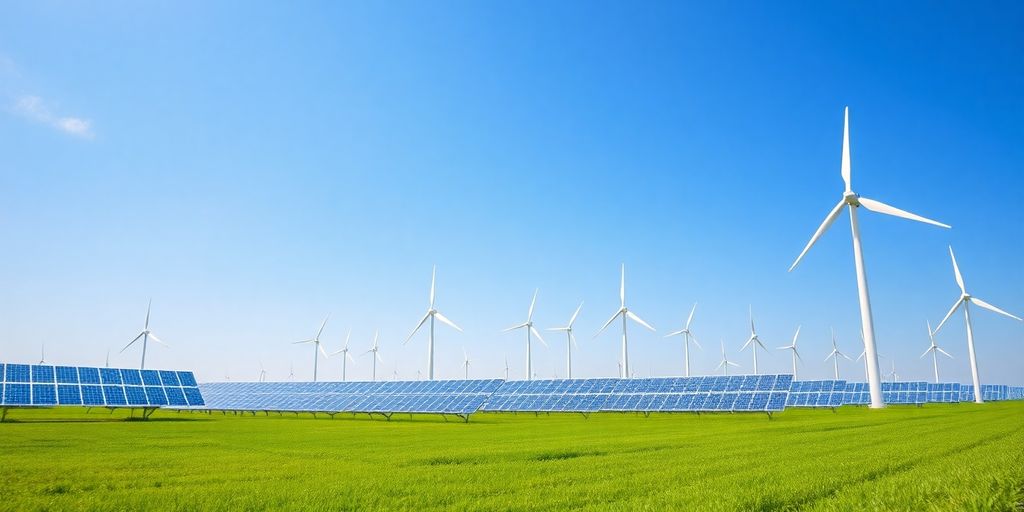
Okay, so renewable energy, right? It's not just some buzzword anymore. It's becoming a real thing, and honestly, it needs to. We can't keep burning fossil fuels forever. It's bad for the planet, and eventually, we're going to run out anyway. So, what are our options? Well, there are a bunch, and some are way more practical than others, depending on where you live and what resources you have available. Let's look at some.
Renewable energy systems are vital for sustainability, cutting emissions, conserving resources, and boosting energy independence.
Here's a quick look at some common renewable energy sources:
- Solar power: Obvious one. Solar panels on roofs, solar farms in the desert. It's getting cheaper all the time, which is great.
- Wind power: Wind turbines. Some people hate them because they think they're ugly, but they generate a lot of power.
- Hydropower: Dams. Been around forever, but they can have a big impact on the environment.
- Geothermal: Using the Earth's heat. Works well in some places, not so much in others.
Switching to renewable energy isn't just about saving the planet. It's also about creating new jobs, boosting local economies, and making our energy supply more secure. It's a win-win, if we can get it right.
I think one of the biggest challenges is just getting the infrastructure in place. It costs money to build solar farms and wind turbines, and we need to upgrade the grid to handle all the new power. But it's an investment in the future, and it's one we need to make. Plus, it's cool to see how technology is helping with local renewable energy.
Wrapping It Up
So there you have it! Crafting a solid three-point thesis statement can really change the game for your essays. It gives your writing direction and helps your readers follow along with your main ideas. Remember, it’s all about being clear and focused. Don’t hesitate to ask for feedback from friends or teachers to make your thesis even better. And hey, if you find yourself stuck, just take a step back and rethink your main argument. With practice, you’ll get the hang of it and your essays will shine. Happy writing!
Frequently Asked Questions
What is a three-point thesis statement?
A three-point thesis statement is a clear sentence that shows the main idea of your essay and lists three important points that support it.
How do I create a strong thesis statement?
To make a strong thesis statement, think about your main argument and pick three key points that back it up. Then, write it in one clear sentence.
Why is a thesis statement important?
A thesis statement is important because it tells readers what your essay is about and guides them through your ideas.
Can I change my thesis statement after writing my essay?
Yes, it’s okay to change your thesis statement as you write your essay. Sometimes your ideas develop, and your thesis should reflect that.
What should I avoid in my thesis statement?
Avoid vague language and making it too broad. Your thesis should be specific and focused on your main argument.
How long should a thesis statement be?
A thesis statement should be one or two sentences long. It needs to be clear and to the point.




Mastering Your Essay: 5 Unique Three Point Thesis Examples to Inspire Your Writing
Writing a solid essay can sometimes feel like a daunting task. One of the key elements that can make or break your paper is the thesis statement. A three-point thesis statement is especially useful because it clearly outlines your main argument and the supporting points you'll discuss. In this article, we’ll explore five unique three-point thesis examples that can spark your creativity and help you master your essay writing.
Key Takeaways
- A three-point thesis statement provides a clear structure for your essay.
- It helps to outline your main argument and supporting points effectively.
- Using specific examples can strengthen your thesis and make your argument more relatable.
- Feedback from peers can improve the clarity of your thesis statement.
- A well-crafted thesis statement acts as a roadmap for your readers, guiding them through your essay.
1. Climate Change Impact
Okay, so climate change. It's a big deal, right? Everyone knows it, but sometimes it feels like we're just going through the motions of talking about it without really getting it. The impact is way more than just hotter summers; it's a complete overhaul of how our planet works.
Here's the thing, it's not just about polar bears (though, yeah, they're having a rough time). It's about everything being connected. Think of it like a giant Jenga tower – you pull out one block, and the whole thing gets wobbly. Climate change is pulling out a bunch of blocks all at once.
Here's a quick look at some of the changes:
- Rising sea levels: Coastal cities are in trouble, and millions could be displaced.
- Extreme weather: More hurricanes, droughts, and floods, all more intense than before.
- Food security: Changes in temperature and rainfall are messing with crop yields, which means potential food shortages.
It's easy to feel overwhelmed by the scale of the problem, but it's important to remember that every little bit of action helps. From reducing your carbon footprint to supporting policies that promote renewable energy, there are things we can all do to make a difference. It's not too late to turn things around, but we need to act now.
And it's not just about the environment, either. Climate change is also a social justice issue. The people who are least responsible for causing the problem are often the ones who are hit the hardest by its effects. That's not fair, and it's something we need to address.
Here's a table showing projected temperature increases:
| Region | 2030 (°C) | 2050 (°C) | 2100 (°C) |
|---|---|---|---|
| North America | +1.5 | +2.5 | +4.0 |
| Europe | +1.8 | +3.0 | +4.5 |
| Asia | +2.0 | +3.5 | +5.0 |
It's a complex issue, but understanding the basics is the first step. We need to talk about it, learn about it, and most importantly, do something about it. Let's start by understanding the long-term effects of climate change.
2. Education Reform Strategies
Okay, so education reform. It's a big topic, right? Everyone's got an opinion on how to make schools better. It's not just about throwing money at the problem; it's about rethinking how we teach and what we teach. I think the key is to focus on what actually works for students, not just what looks good on paper.
Education reform requires a multifaceted approach, addressing curriculum, teacher training, and student support.
Here are some things that I think are important:
- Updating the curriculum to reflect the real world. Let's be honest, some of what we teach is just outdated. We need to focus on skills that students will actually use in their lives and careers. Think critical thinking, problem-solving, and communication.
- Better teacher training and support. Teachers are the backbone of the education system, and they need to be well-prepared and supported. That means ongoing professional development, mentoring programs, and fair compensation. secondary education systems are in need of reform.
- Personalized learning. Not every student learns the same way, so we need to move away from the one-size-fits-all approach. Personalized learning allows students to learn at their own pace and in a way that works best for them.
I think one of the biggest challenges is getting everyone on board. You've got teachers, administrators, parents, and students, and they all have different ideas about what's best. It's important to have open and honest conversations and to be willing to compromise. Ultimately, the goal is to create a system that works for everyone.
3. Technology in Modern Society
Technology is everywhere, right? It's hard to imagine life without our phones, computers, and the internet. But how is all this tech really affecting us? It's not all sunshine and roses, that's for sure. Let's look at some angles.
Technology has fundamentally reshaped how we live, work, and interact.
- It's made communication faster and easier.
- It's given us access to tons of information.
- It's automated many tasks, increasing efficiency.
But there's a downside too. Think about it:
We're spending more time staring at screens, less time being active, and sometimes, less time connecting with people in real life. It's a trade-off, and it's important to be aware of the potential consequences.
One thing that's interesting is how tech impacts our health. I read something about how sedentary lifestyle is linked to increased screen time. It makes sense, right? We're sitting more, moving less. Here's a simple table to illustrate:
| Activity | Time Spent (Daily Average) |
|---|---|
| Screen Time | 6 hours |
| Physical Activity | 30 minutes |
| Sleep | 7 hours |
It's something to think about, for sure.
4. Mental Health Awareness
Okay, so mental health. It's a big deal, right? It's not just about feeling down sometimes; it's about our overall well-being and how we function every day. I think a lot of people still don't really get it, or they're afraid to talk about it. But honestly, the more we talk about it, the easier it becomes for everyone to get the help they need.
Raising awareness is the first step to breaking down the stigma.
I remember when I first started realizing how important mental health was. I was in college, and I saw so many people struggling, myself included. It was tough balancing everything, and it felt like there was so much pressure to be perfect. That's when I started paying attention to the resources available and trying to learn more about how to take care of myself and support my friends. It's an ongoing process, but it's worth it.
It's important to remember that mental health is just as important as physical health. We need to treat it that way. That means seeking help when we need it, talking openly about our struggles, and supporting each other along the way.
Here are some things that can help:
- Mindfulness and meditation: Even just a few minutes a day can make a difference. Meditation benefits mental health by reducing anxiety.
- Exercise: It's not just good for your body; it's great for your mind too.
- Connecting with others: Talking to friends, family, or a therapist can provide support and perspective.
5. Renewable Energy Solutions
Okay, so renewable energy, right? It's not just some buzzword anymore. It's becoming a real thing, and honestly, it needs to. We can't keep burning fossil fuels forever. It's bad for the planet, and eventually, we're going to run out anyway. So, what are our options? Well, there are a bunch, and some are way more practical than others, depending on where you live and what resources you have available. Let's look at some.
Renewable energy systems are vital for sustainability, cutting emissions, conserving resources, and boosting energy independence.
Here's a quick look at some common renewable energy sources:
- Solar power: Obvious one. Solar panels on roofs, solar farms in the desert. It's getting cheaper all the time, which is great.
- Wind power: Wind turbines. Some people hate them because they think they're ugly, but they generate a lot of power.
- Hydropower: Dams. Been around forever, but they can have a big impact on the environment.
- Geothermal: Using the Earth's heat. Works well in some places, not so much in others.
Switching to renewable energy isn't just about saving the planet. It's also about creating new jobs, boosting local economies, and making our energy supply more secure. It's a win-win, if we can get it right.
I think one of the biggest challenges is just getting the infrastructure in place. It costs money to build solar farms and wind turbines, and we need to upgrade the grid to handle all the new power. But it's an investment in the future, and it's one we need to make. Plus, it's cool to see how technology is helping with local renewable energy.
Wrapping It Up
So there you have it! Crafting a solid three-point thesis statement can really change the game for your essays. It gives your writing direction and helps your readers follow along with your main ideas. Remember, it’s all about being clear and focused. Don’t hesitate to ask for feedback from friends or teachers to make your thesis even better. And hey, if you find yourself stuck, just take a step back and rethink your main argument. With practice, you’ll get the hang of it and your essays will shine. Happy writing!
Frequently Asked Questions
What is a three-point thesis statement?
A three-point thesis statement is a clear sentence that shows the main idea of your essay and lists three important points that support it.
How do I create a strong thesis statement?
To make a strong thesis statement, think about your main argument and pick three key points that back it up. Then, write it in one clear sentence.
Why is a thesis statement important?
A thesis statement is important because it tells readers what your essay is about and guides them through your ideas.
Can I change my thesis statement after writing my essay?
Yes, it’s okay to change your thesis statement as you write your essay. Sometimes your ideas develop, and your thesis should reflect that.
What should I avoid in my thesis statement?
Avoid vague language and making it too broad. Your thesis should be specific and focused on your main argument.
How long should a thesis statement be?
A thesis statement should be one or two sentences long. It needs to be clear and to the point.
Mastering Your Essay: 5 Unique Three Point Thesis Examples to Inspire Your Writing
Writing a solid essay can sometimes feel like a daunting task. One of the key elements that can make or break your paper is the thesis statement. A three-point thesis statement is especially useful because it clearly outlines your main argument and the supporting points you'll discuss. In this article, we’ll explore five unique three-point thesis examples that can spark your creativity and help you master your essay writing.
Key Takeaways
- A three-point thesis statement provides a clear structure for your essay.
- It helps to outline your main argument and supporting points effectively.
- Using specific examples can strengthen your thesis and make your argument more relatable.
- Feedback from peers can improve the clarity of your thesis statement.
- A well-crafted thesis statement acts as a roadmap for your readers, guiding them through your essay.
1. Climate Change Impact
Okay, so climate change. It's a big deal, right? Everyone knows it, but sometimes it feels like we're just going through the motions of talking about it without really getting it. The impact is way more than just hotter summers; it's a complete overhaul of how our planet works.
Here's the thing, it's not just about polar bears (though, yeah, they're having a rough time). It's about everything being connected. Think of it like a giant Jenga tower – you pull out one block, and the whole thing gets wobbly. Climate change is pulling out a bunch of blocks all at once.
Here's a quick look at some of the changes:
- Rising sea levels: Coastal cities are in trouble, and millions could be displaced.
- Extreme weather: More hurricanes, droughts, and floods, all more intense than before.
- Food security: Changes in temperature and rainfall are messing with crop yields, which means potential food shortages.
It's easy to feel overwhelmed by the scale of the problem, but it's important to remember that every little bit of action helps. From reducing your carbon footprint to supporting policies that promote renewable energy, there are things we can all do to make a difference. It's not too late to turn things around, but we need to act now.
And it's not just about the environment, either. Climate change is also a social justice issue. The people who are least responsible for causing the problem are often the ones who are hit the hardest by its effects. That's not fair, and it's something we need to address.
Here's a table showing projected temperature increases:
| Region | 2030 (°C) | 2050 (°C) | 2100 (°C) |
|---|---|---|---|
| North America | +1.5 | +2.5 | +4.0 |
| Europe | +1.8 | +3.0 | +4.5 |
| Asia | +2.0 | +3.5 | +5.0 |
It's a complex issue, but understanding the basics is the first step. We need to talk about it, learn about it, and most importantly, do something about it. Let's start by understanding the long-term effects of climate change.
2. Education Reform Strategies
Okay, so education reform. It's a big topic, right? Everyone's got an opinion on how to make schools better. It's not just about throwing money at the problem; it's about rethinking how we teach and what we teach. I think the key is to focus on what actually works for students, not just what looks good on paper.
Education reform requires a multifaceted approach, addressing curriculum, teacher training, and student support.
Here are some things that I think are important:
- Updating the curriculum to reflect the real world. Let's be honest, some of what we teach is just outdated. We need to focus on skills that students will actually use in their lives and careers. Think critical thinking, problem-solving, and communication.
- Better teacher training and support. Teachers are the backbone of the education system, and they need to be well-prepared and supported. That means ongoing professional development, mentoring programs, and fair compensation. secondary education systems are in need of reform.
- Personalized learning. Not every student learns the same way, so we need to move away from the one-size-fits-all approach. Personalized learning allows students to learn at their own pace and in a way that works best for them.
I think one of the biggest challenges is getting everyone on board. You've got teachers, administrators, parents, and students, and they all have different ideas about what's best. It's important to have open and honest conversations and to be willing to compromise. Ultimately, the goal is to create a system that works for everyone.
3. Technology in Modern Society
Technology is everywhere, right? It's hard to imagine life without our phones, computers, and the internet. But how is all this tech really affecting us? It's not all sunshine and roses, that's for sure. Let's look at some angles.
Technology has fundamentally reshaped how we live, work, and interact.
- It's made communication faster and easier.
- It's given us access to tons of information.
- It's automated many tasks, increasing efficiency.
But there's a downside too. Think about it:
We're spending more time staring at screens, less time being active, and sometimes, less time connecting with people in real life. It's a trade-off, and it's important to be aware of the potential consequences.
One thing that's interesting is how tech impacts our health. I read something about how sedentary lifestyle is linked to increased screen time. It makes sense, right? We're sitting more, moving less. Here's a simple table to illustrate:
| Activity | Time Spent (Daily Average) |
|---|---|
| Screen Time | 6 hours |
| Physical Activity | 30 minutes |
| Sleep | 7 hours |
It's something to think about, for sure.
4. Mental Health Awareness
Okay, so mental health. It's a big deal, right? It's not just about feeling down sometimes; it's about our overall well-being and how we function every day. I think a lot of people still don't really get it, or they're afraid to talk about it. But honestly, the more we talk about it, the easier it becomes for everyone to get the help they need.
Raising awareness is the first step to breaking down the stigma.
I remember when I first started realizing how important mental health was. I was in college, and I saw so many people struggling, myself included. It was tough balancing everything, and it felt like there was so much pressure to be perfect. That's when I started paying attention to the resources available and trying to learn more about how to take care of myself and support my friends. It's an ongoing process, but it's worth it.
It's important to remember that mental health is just as important as physical health. We need to treat it that way. That means seeking help when we need it, talking openly about our struggles, and supporting each other along the way.
Here are some things that can help:
- Mindfulness and meditation: Even just a few minutes a day can make a difference. Meditation benefits mental health by reducing anxiety.
- Exercise: It's not just good for your body; it's great for your mind too.
- Connecting with others: Talking to friends, family, or a therapist can provide support and perspective.
5. Renewable Energy Solutions
Okay, so renewable energy, right? It's not just some buzzword anymore. It's becoming a real thing, and honestly, it needs to. We can't keep burning fossil fuels forever. It's bad for the planet, and eventually, we're going to run out anyway. So, what are our options? Well, there are a bunch, and some are way more practical than others, depending on where you live and what resources you have available. Let's look at some.
Renewable energy systems are vital for sustainability, cutting emissions, conserving resources, and boosting energy independence.
Here's a quick look at some common renewable energy sources:
- Solar power: Obvious one. Solar panels on roofs, solar farms in the desert. It's getting cheaper all the time, which is great.
- Wind power: Wind turbines. Some people hate them because they think they're ugly, but they generate a lot of power.
- Hydropower: Dams. Been around forever, but they can have a big impact on the environment.
- Geothermal: Using the Earth's heat. Works well in some places, not so much in others.
Switching to renewable energy isn't just about saving the planet. It's also about creating new jobs, boosting local economies, and making our energy supply more secure. It's a win-win, if we can get it right.
I think one of the biggest challenges is just getting the infrastructure in place. It costs money to build solar farms and wind turbines, and we need to upgrade the grid to handle all the new power. But it's an investment in the future, and it's one we need to make. Plus, it's cool to see how technology is helping with local renewable energy.
Wrapping It Up
So there you have it! Crafting a solid three-point thesis statement can really change the game for your essays. It gives your writing direction and helps your readers follow along with your main ideas. Remember, it’s all about being clear and focused. Don’t hesitate to ask for feedback from friends or teachers to make your thesis even better. And hey, if you find yourself stuck, just take a step back and rethink your main argument. With practice, you’ll get the hang of it and your essays will shine. Happy writing!
Frequently Asked Questions
What is a three-point thesis statement?
A three-point thesis statement is a clear sentence that shows the main idea of your essay and lists three important points that support it.
How do I create a strong thesis statement?
To make a strong thesis statement, think about your main argument and pick three key points that back it up. Then, write it in one clear sentence.
Why is a thesis statement important?
A thesis statement is important because it tells readers what your essay is about and guides them through your ideas.
Can I change my thesis statement after writing my essay?
Yes, it’s okay to change your thesis statement as you write your essay. Sometimes your ideas develop, and your thesis should reflect that.
What should I avoid in my thesis statement?
Avoid vague language and making it too broad. Your thesis should be specific and focused on your main argument.
How long should a thesis statement be?
A thesis statement should be one or two sentences long. It needs to be clear and to the point.
Bachelor Thesis Crunch Time: How to Finish Quickly Without Compromising Quality
Confident Study Session: 3 Nutritional Tips for Success
Feeling Stuck? Jumpstart Your Thesis Writing Today!